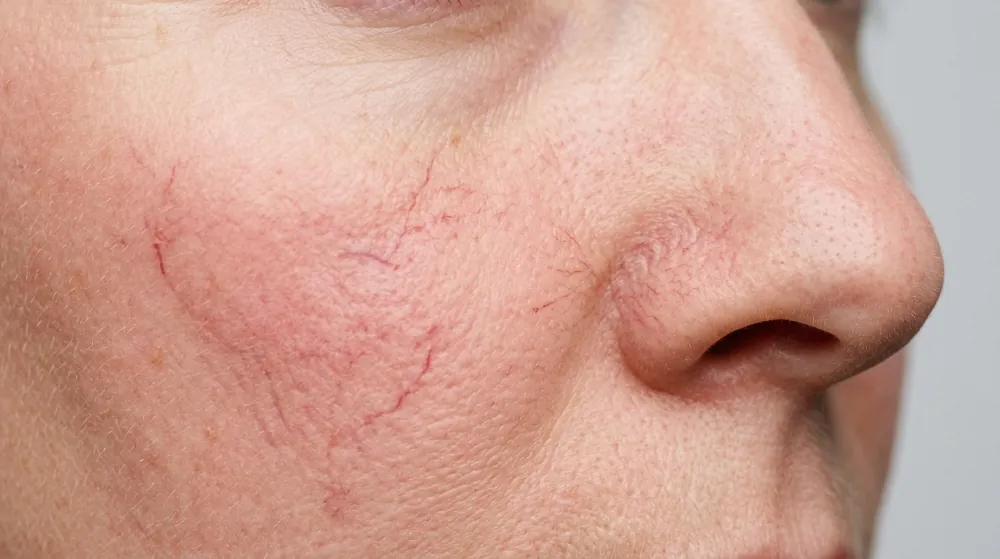
Broken Capillaries on the Face: Dilated, Not Broken
Broken capillaries on the face are visible small vessels, not ruptured ones. The vitamin K cream trials measured bruising after laser, not vessels, and no cream has been shown to close one.
Skin concerns · Page 2 of 2
Persistent redness is often mistaken for acne or sensitive skin. These articles help you recognise rosacea, perioral dermatitis, eczema, psoriasis and broken capillaries, understand what sets each one off, and see why acne products can make several of them worse. Most of these conditions need a clinician to diagnose and treat them, and the articles say when it is time to book an appointment.

Broken capillaries on the face are visible small vessels, not ruptured ones. The vitamin K cream trials measured bruising after laser, not vessels, and no cream has been shown to close one.

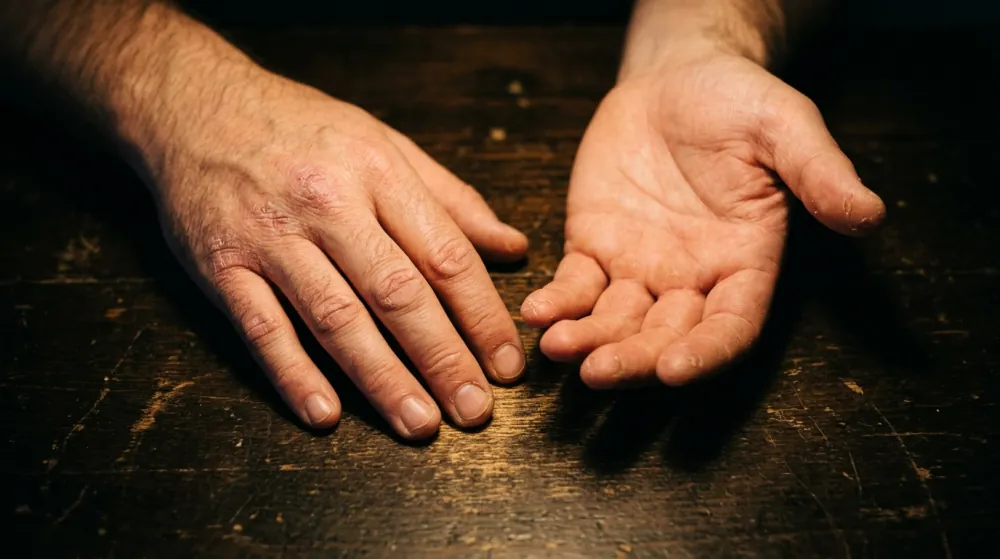
Hand eczema is usually several things at once, which is why single-cause advice fails. Frequent washing is a risk factor, not a proven cause, and alcohol hand rub did not show the same link.

The thing that clears it is often the thing causing it. And in the largest recent cohort, 63% of people who got it had used no corticosteroid at all — which is not the story this condition is usually told with.

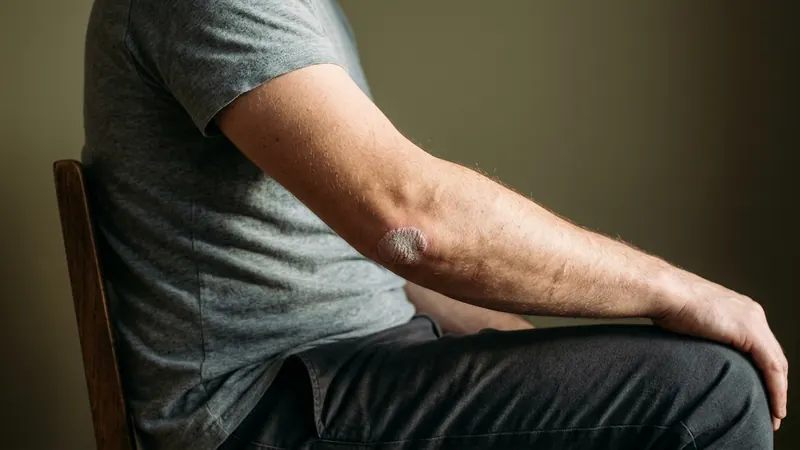
Two conditions, similar patches, different diseases. The edge of the patch, where it sits on your body, and what your nails look like will tell you more than the redness will.

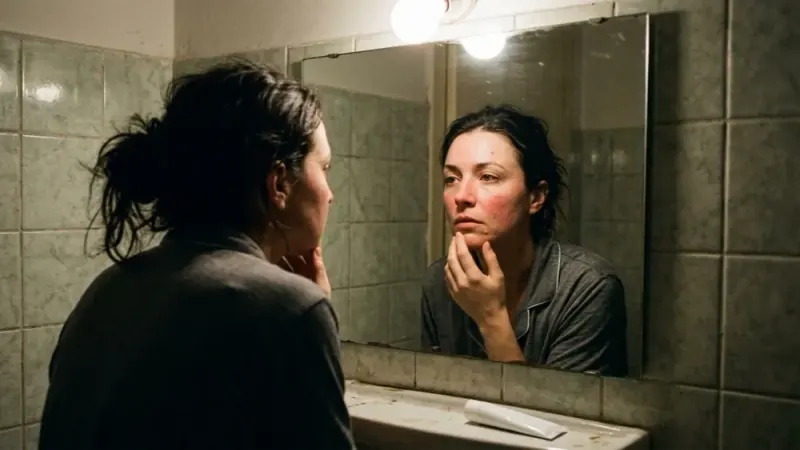
The cream cleared it in three days, then it came back angrier. That pattern has a name, a mechanism, and a specific reason it is so hard to escape — and it starts with what you have been putting on your face.

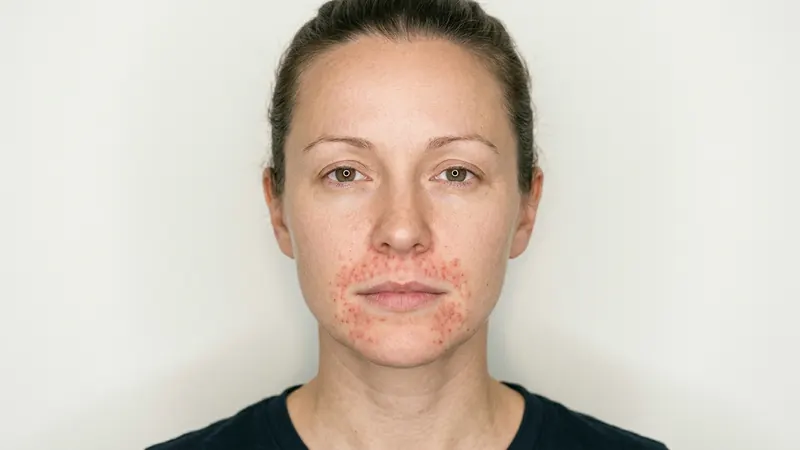
Three conditions produce small red bumps on a face, and two of them get worse under acne treatment. Here is how to tell which one you are looking at — and why it matters more than any product choice.
Showing 7–12 of 12 articles
You've reached the end — 12 articles in Redness & rashes, with new research notes landing regularly.