Melasma on the Face: Why It Comes Back Every Summer
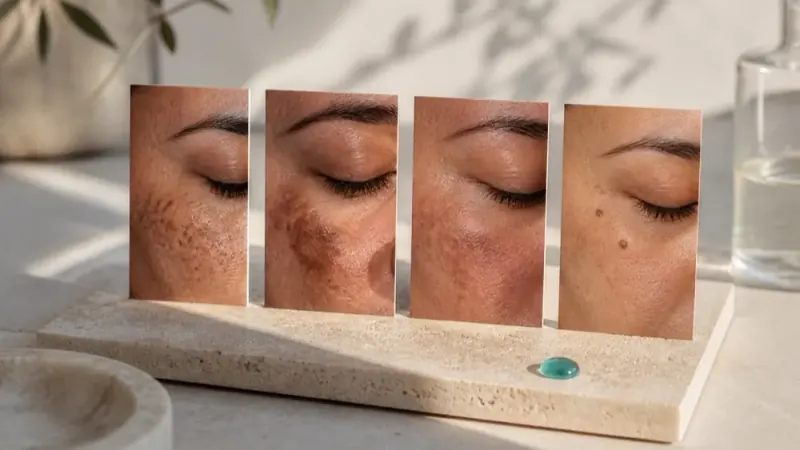
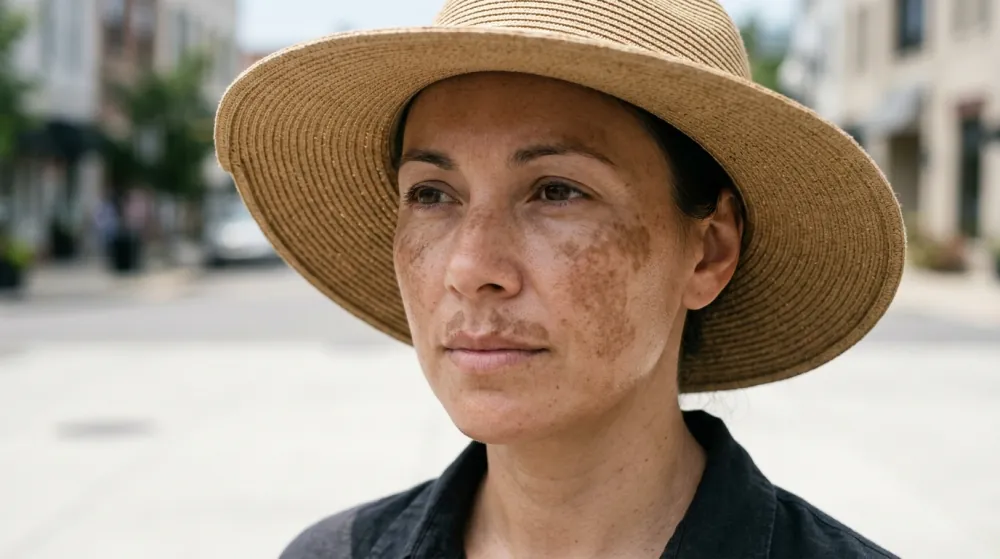
Melasma is not caused by sun alone. Light, heat, hormones and genes act together, and tranexamic acid is a prescription option reported with a label that excludes many users.
Skin concerns
Dark spots form when skin makes extra pigment after sun, inflammation, hormones or injury, and the cause decides how a spot behaves and what fades it. These articles cover marks left by breakouts, sun spots, freckles and dark circles, with particular attention to brown and deep skin tones. Any spot that changes shape, colour or size should be checked by a clinician.

Melasma is not caused by sun alone. Light, heat, hormones and genes act together, and tranexamic acid is a prescription option reported with a label that excludes many users.

Five causes account for most white spots on skin: a yeast, sun and ageing, a past rash, a child's dry patches and vitiligo. Where the spot sits, whether it scales and when it appears tell them apart.

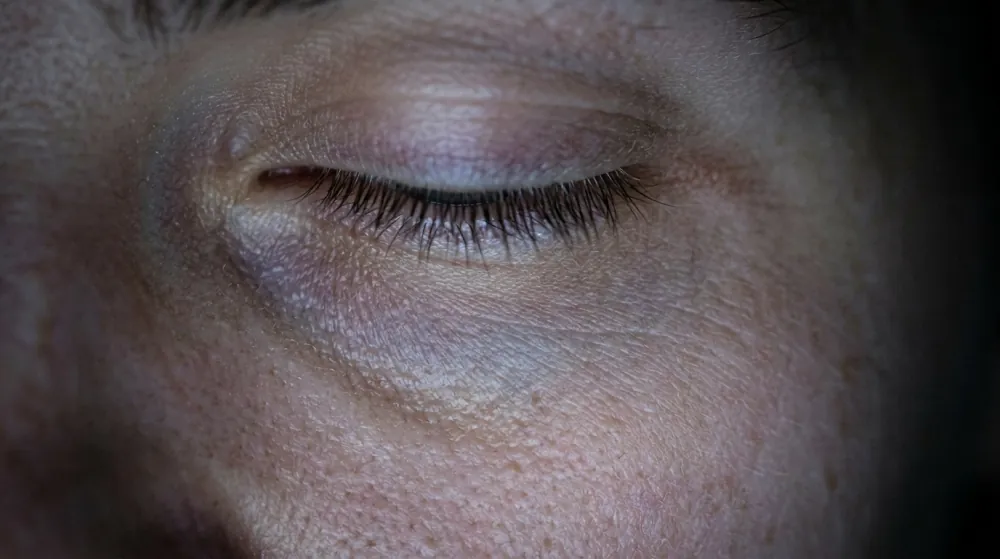
Under-eye dark circles come in three kinds, pigment, thin skin over vessels and shadow, and most people have a mix. A stretch test and a light test sort them, and no cream fixes all three.

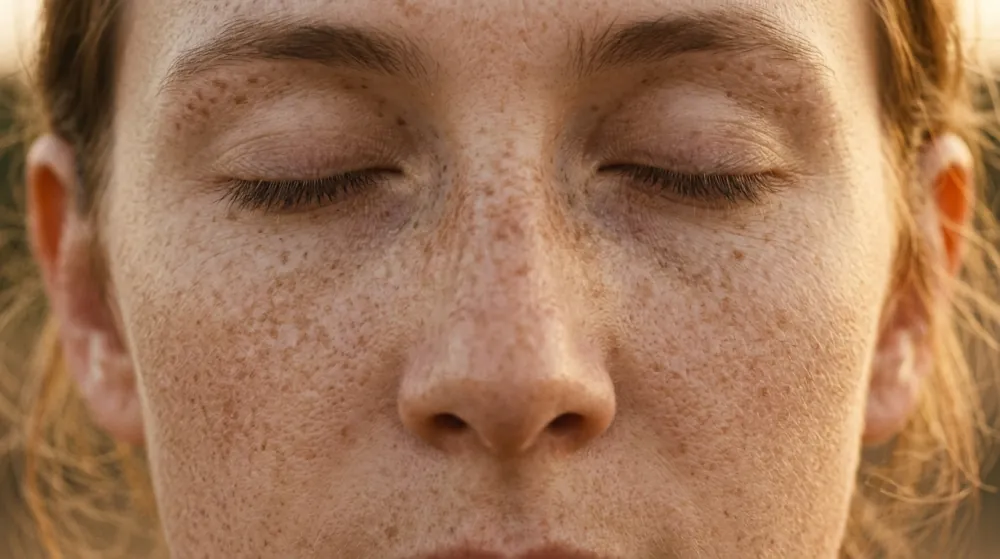
Sun spots and age spots are the same mark, solar lentigines. Freckles are different: they fade in winter, lentigines stay, and a spot that looks different needs a clinician.

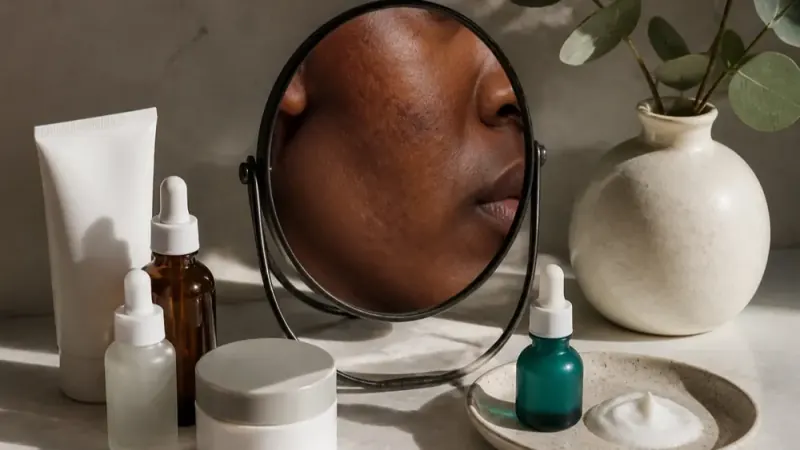
Many widely recommended hyperpigmentation treatments were calibrated for lighter skin and carry real risks for melanin-rich tones. Here is what the evidence actually supports.

Not all dark spots respond to the same treatment. Learn how to tell melasma, sun spots, and post-inflammatory hyperpigmentation apart — and which ingredients and treatments actually work for each.
Showing 1–6 of 7 articles