Dermaplaning at Home: What It Removes, and the Thicker-Hair Myth
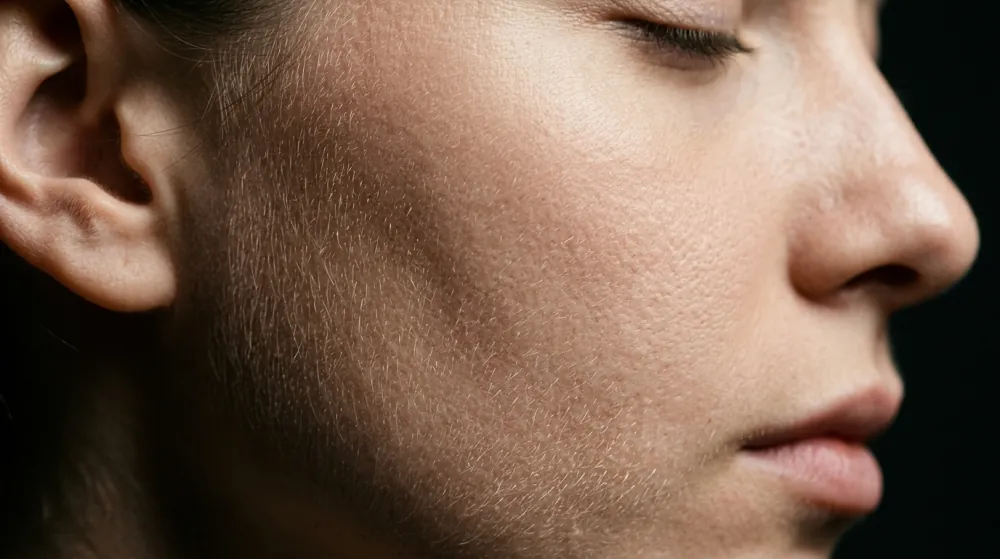
Dermaplaning removes fine facial hair and some of the skin's outer layer. Hair does not grow back thicker, and the evidence for its benefits is scarce.
Science & treatments
Procedures, devices and viral trends are sold on before-and-after photos that are easy to stage. These articles look at what microneedling, LED masks, face massagers and dermaplaning can actually do, what the trials measured and what each one costs, and explain what labels like “medical grade” really mean. They evaluate claims rather than teach procedures.

Dermaplaning removes fine facial hair and some of the skin's outer layer. Hair does not grow back thicker, and the evidence for its benefits is scarce.

The largest cost study we could find puts one microneedling treatment at $938 on average. The evidence for microneedling is built on courses of several, so the per-session price is the wrong number.

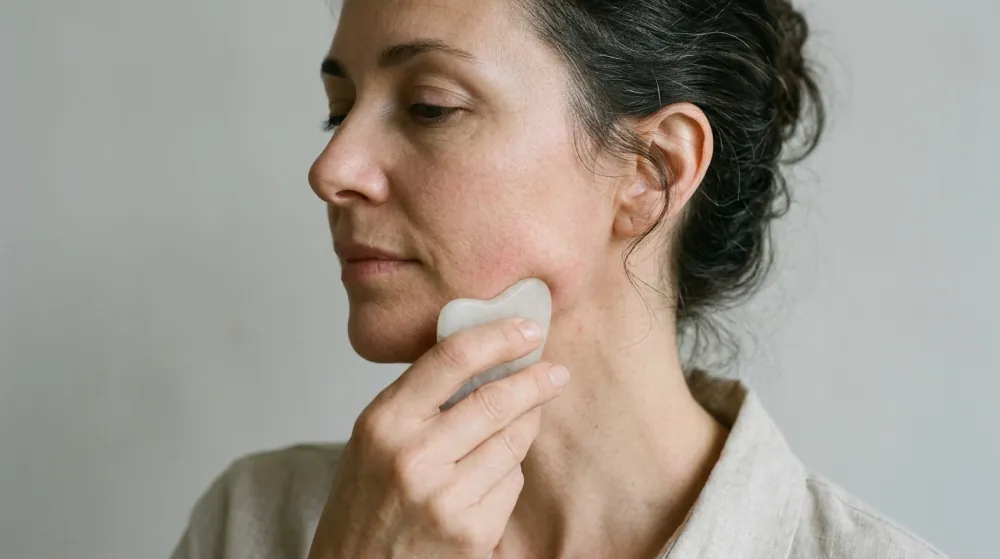
Something does happen when you glide a tool across the face. The question is whether it lasts, and whether the two claims on the box, draining lymph and sculpting, have been measured.

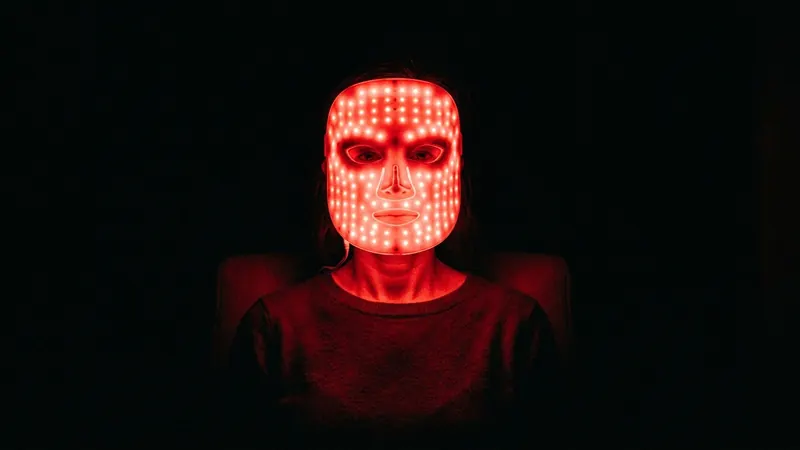
Red light therapy for the face has real published research behind it. Whether the mask on your shelf delivers what that research used is a completely separate question — and it is the one nobody asks.

In 282 of 291 top cosmetic-surgery posts studied, the photography itself favoured the "after". Here is what the research actually shows about the timeline — including the weeks skin looks worse.

There is no medical grade category in any regulation anywhere. That does not make the products worthless — but it does mean the phrase on the box is telling you nothing, and four other things are telling you plenty.
Showing 1–6 of 6 articles
You've reached the end — 6 articles in Treatments & trends, with new research notes landing regularly.