Moisturizer for Aging Skin: What Changes After 50
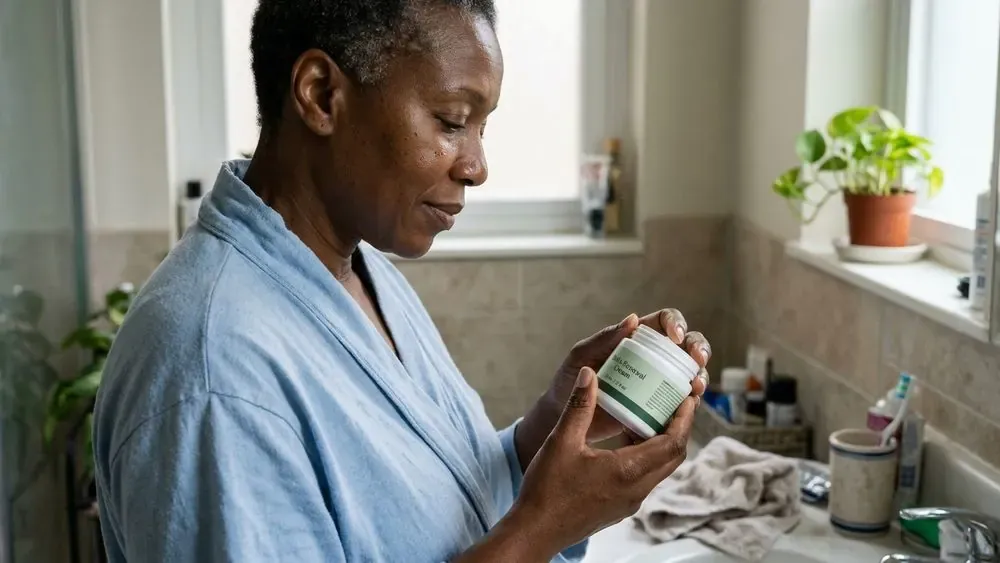
Skin makes less oil with age and repairs its barrier more slowly, so older skin usually needs a richer moisturiser, not an "anti-aging" one. Here is what to look for on the label.
Skin concerns
Fine lines, crepey skin, deep creases and sagging have different causes, so no single product fixes all of them. These articles look at what genuinely changes the appearance of lines and firmness, from under-eye wrinkles to non-invasive tightening and face tape, and separate what has evidence from what is mostly marketing. Daily sunscreen, the best-tested habit of all, is covered under Sun protection.

Skin makes less oil with age and repairs its barrier more slowly, so older skin usually needs a richer moisturiser, not an "anti-aging" one. Here is what to look for on the label.

A cosmetic cannot legally claim to change your skin, so labels say "reduces the appearance of". Only sunscreen and prescription retinoids have solid trial data for lines. Here is how to read the claims.

Daily sunscreen has a randomised trial behind it, and prescription retinoids have good evidence for wrinkles. Collagen drinks sit near the bottom. Here is the full ranking.

"Ozempic face" is a media name for facial fat loss during rapid weight loss. Here is what has been measured, and what no study has separated.

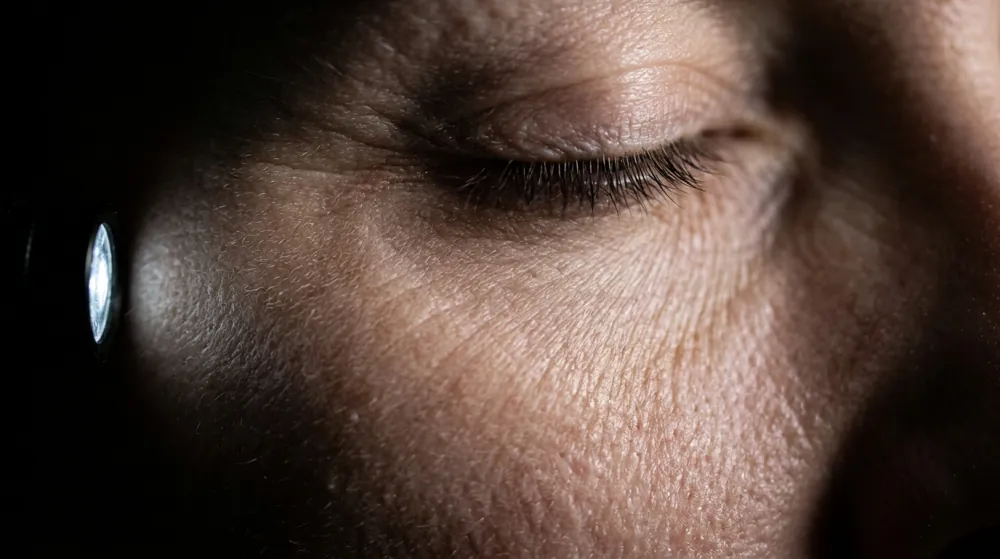
Under-eye lines are one of three things: dryness lines, thin crepey skin, or creases from smiling. The skin is the thinnest on the face, and no source shows eye cream beating face cream.

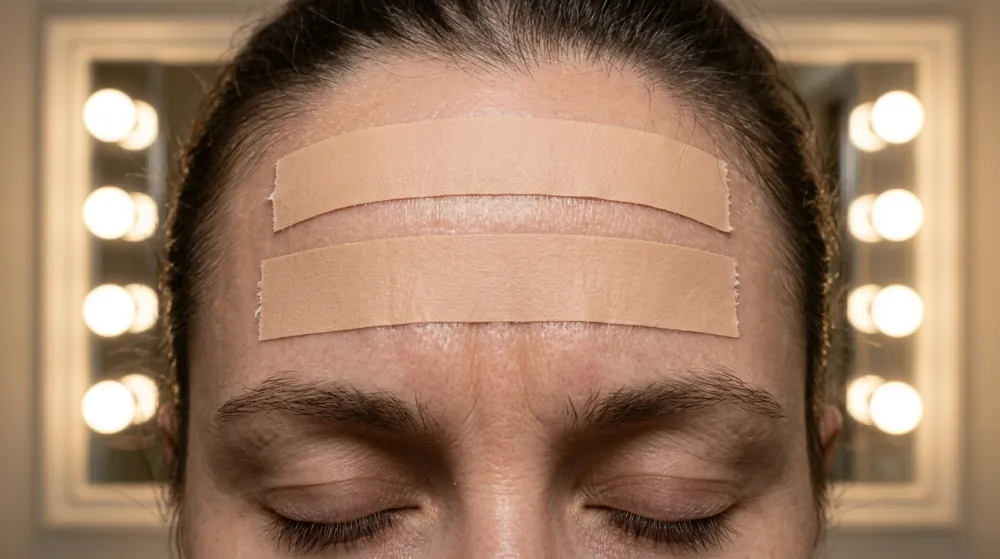
No study of face tape for wrinkles was found. Static lines are etched into the skin, dynamic lines return when the muscle moves, and adhesives can strip or inflame skin.
Showing 1–6 of 7 articles