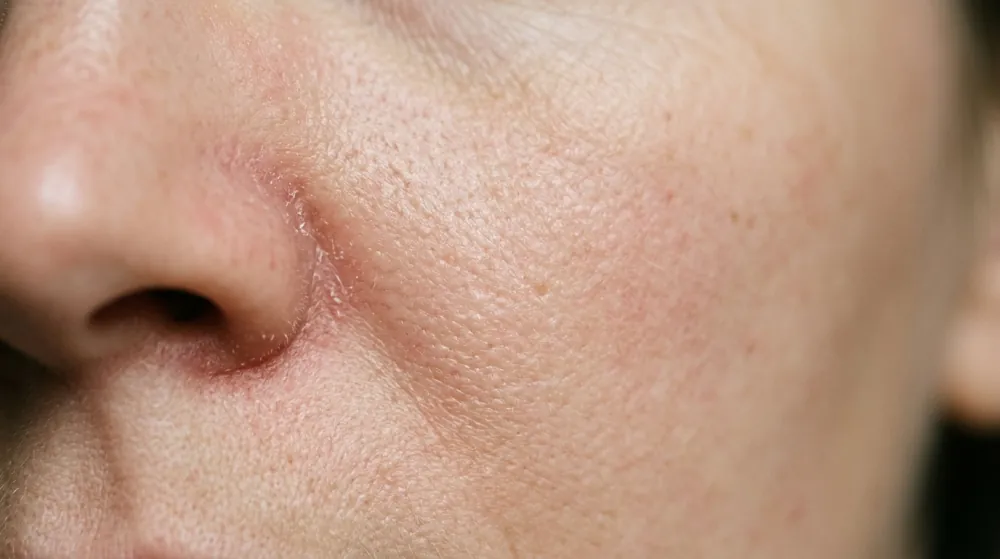
What Retinol Does to Your Skin, Week by Week
Retinol irritation shows early and benefit shows late, but the week-by-week timeline rests on small trials with flaws. Here is what each stage looks like in the evidence.
Care & products
Every active ingredient has a specific job, a strength at which it was tested, and conditions under which it stops working. These articles compare and review retinoids, acids, vitamin C, azelaic acid, peptides, urea and more, explain what your choice of toner, moisturiser and cleanser actually changes, and check popular trends such as tallow against the evidence.

Retinol irritation shows early and benefit shows late, but the week-by-week timeline rests on small trials with flaws. Here is what each stage looks like in the evidence.

The trials used 2% to 5% niacinamide. No efficacy trial above 5% was found, and the claim that it cancels out vitamin C rests on UV chemistry, not on skin.

Adapalene 0.1% gel became the first over-the-counter topical retinoid in 2016. The acne evidence is strong, the ageing evidence is thin, and it has only been shown gentler than tretinoin.

Korean serums rest on six ingredients. Graded on the sources opened, one has controlled human trials, and it is a vitamin used worldwide. The others range from small studies to cell and animal work.

Most centella evidence is from wounds and cells. On intact skin there are small trials, most with extra ingredients, and none shows it repairs the barrier on its own.

At low strengths urea is a humectant, and higher up it loosens keratin. The bands overlap, and for keratosis pilaris the trials are small and mostly open-label.
Showing 1–6 of 17 articles