Skinic
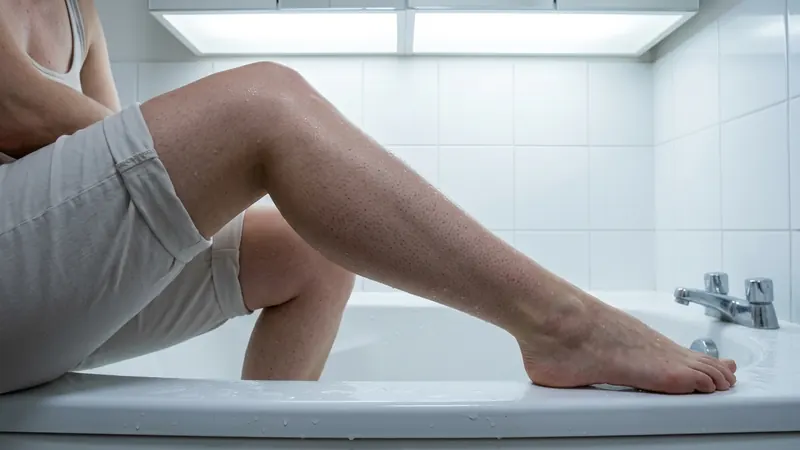
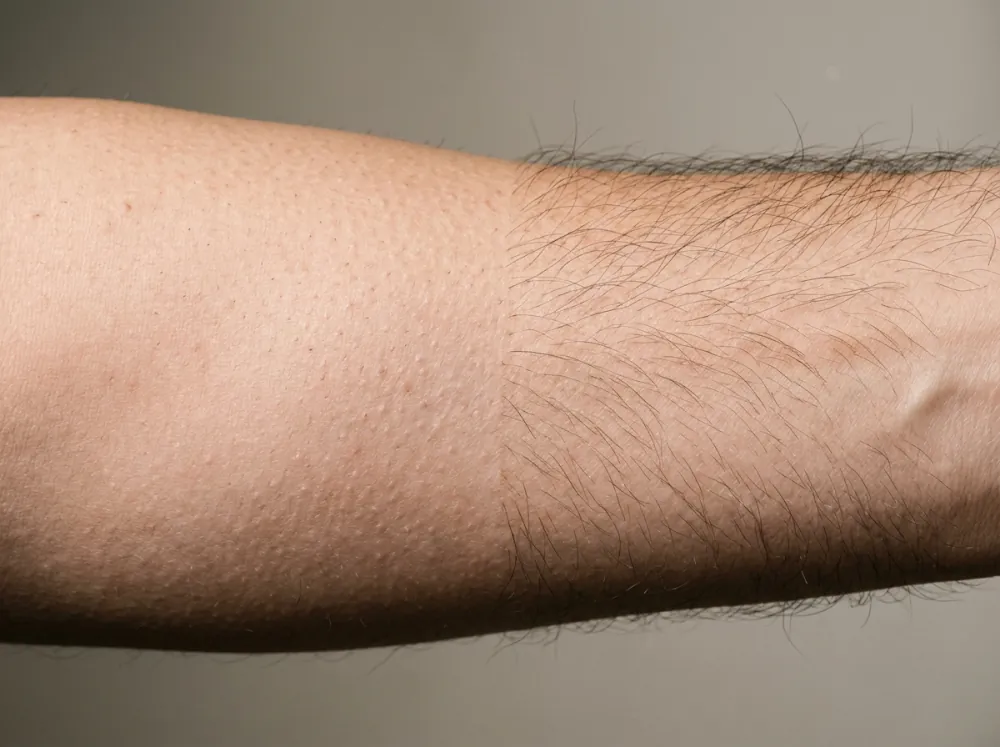
Dermaplaning at home removes fine facial hair and some of the skin's outer layer, and neither of those changes how the hair grows back. In a 1970 trial reported by the consumer organisation Which?, men shaved one leg for several months and left the other as a control, and found no significant differences in hair weight, width or rate of growth.
That settles the most common worry about dermaplaning and shaving in general. It leaves the questions this article takes up: what is actually removed, what that means for products applied afterwards, what the evidence is for the benefits, and who the sources suggest should be cautious. It evaluates the claims. It does not teach the technique, and it does not tell you whether to do it.
What Is Removed
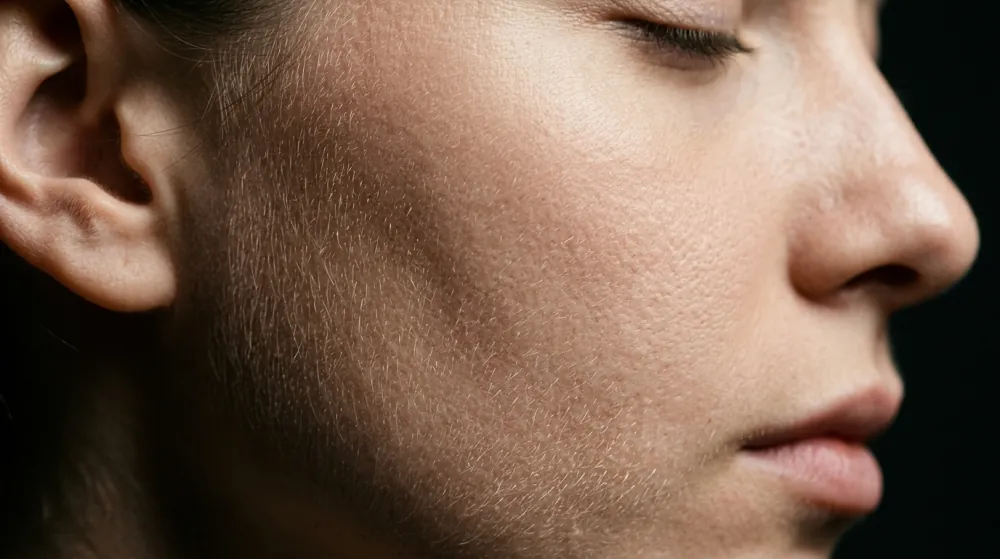
Dermaplaning removes two things, vellus hair (the fine, pale hair on the face) and a layer of skin cells. The second is the one less often mentioned.
In an in vitro study of dermaplaning, skin treated with four strokes of a dermaplane device (abstract) showed on histology the removal of the stratum corneum and some parts of the viable epidermis. Electrical resistance dropped significantly after treatment, which the authors read as depletion of the barrier. The study used excised skin, and the amount removed varied between the people who operated the device.
Shaving more generally removes skin cells too. A study that built an in vitro model of shaving damage cites figures that corneocytes account for about 20% of the material removed in a male facial shave, and as much as 36% in the female armpit. In that model, a single dry razor pass and tape-stripping both produced thickened epidermis, increased cytokine production and impaired barrier function, which shaving foam or moisturiser reduced. The authors work for a consumer products company and the model is a lab skin equivalent.
The Thicker-Hair Myth
Claim audited: "Hair grows back thicker and darker."
Verdict: false. Shaving does not change the hair. It changes the tip. Findings:
The Classic Studies
Which? reports two classic experiments. In 1928 the anatomist Mildred Trotter had four men follow her directions and concluded that shaving had no effect on hair colour, texture or growth rate. In 1970 Yelva Lynfield and Peter Macwilliams had male subjects shave one leg for several months and leave the other unshaven, and found no significant differences in total hair weight in a measured area, or in width or rate of growth of individual hairs. A consultant dermatologist quoted by Which? says shaving removes only the visible keratinised shaft and does not affect the follicle beneath the skin, which produces the hair.
The primary papers were not accessible, so the details are as Which? reports them.
Why It Feels Thicker
DermNet says the myth is not true, and that hair appears thicker because the tip, now cut, has a blunt edge, which feels stiffer and looks thicker than an uncut tapered tip. A 2026 narrative review of hirsutism states the same point: shaving does not affect hair follicle biology or change hair characteristics, but makes regrown hair feel thicker. Which? adds that new growth can look darker because it has not been exposed to sunlight, soap or anything else that lightens it.
Which? also notes that other hair-removal methods, such as epilators, remove the whole hair from the root, which typically gives slower and softer regrowth, and that the type of razor does not really affect regrowth, since all of them cut the hair to leave a blunt edge. DermNet adds that after a shave hair is back above the surface within several hours or, at best, a few days, which is why the effect of cutting is short-lived.
Limits: the classic trials were small and used body hair on men. No source opened studied facial vellus hair on women specifically. As reasoning, not a finding, the mechanism applies to any cut hair, and a hormone change such as puberty would be a reason hair might change for reasons unrelated to cutting.
Penetration Afterwards
What the Permeation Study Measured
The same in vitro study tested two model drugs through dermaplaned skin over 24 hours. It found significant flux for both, but a varied absorption profile, and a better enhancement for the water-soluble drug (baclofen) than for the oil-soluble one (diclofenac). Results also varied between operators of the device.
What It Does Not Show
The study used two drugs, not cosmetic ingredients, and excised skin, not living faces. It does not show that products work better after dermaplaning or that the extra penetration is useful. A separate review of shaving and absorption, noted in the production notes, found the effect species and chemical specific. As reasoning, more penetration of an irritating active would mean more irritation as well as more effect, which is a question the sources do not answer. Our articles on medical-grade skincare and on barrier repair cover why barrier damage is not a free route.
Who It Is Wrong For
No source opened gives contraindications for dermaplaning. The nearest evidence is from shaving, and it points to a few groups.
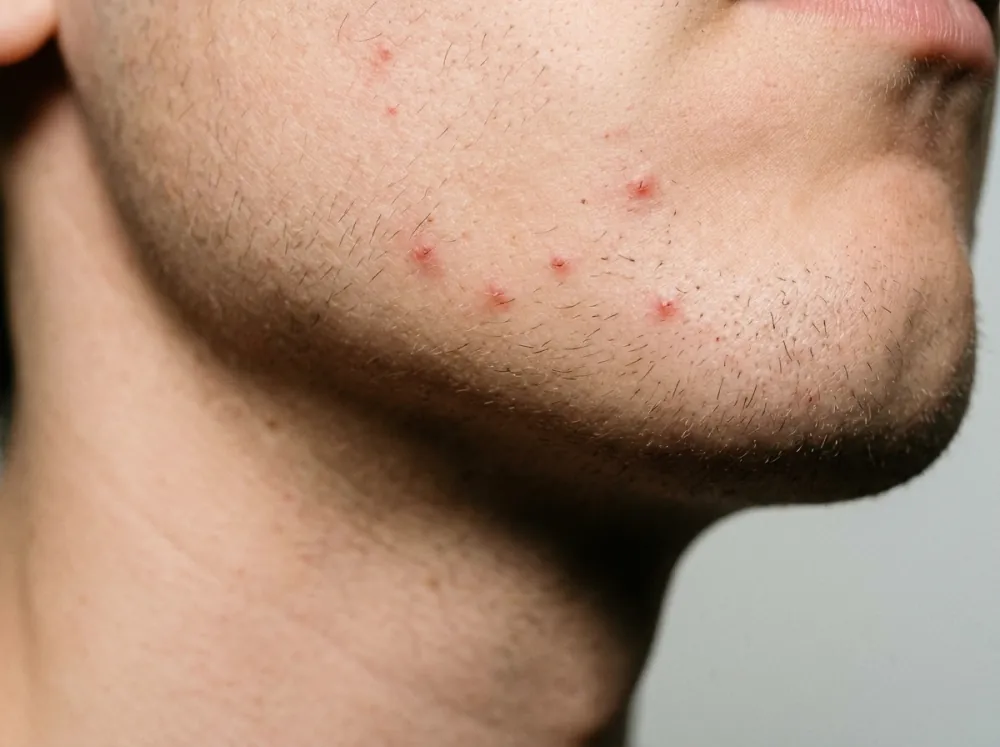
- People who get ingrown hairs. DermNet's page on pseudofolliculitis barbae says it predominantly affects men of African ancestry (about 45 to 80%), is more common with blade razors than electric shavers, and is linked to close shaving that leaves a sharp hair end able to re-enter the skin. Our article on folliculitis covers the shaving kind, and strawberry skin covers ingrown hairs on the body.
- Skin that is already irritated. DermNet's list of shaving side effects includes nicks, razor burn, folliculitis, ingrown hairs and irritant contact dermatitis, and it says shaving should be avoided until irritation has resolved.
- Skin with active conditions. None of the sources opened tested dermaplaning on acne, rosacea or eczema. That is an absence of evidence, and a clinician can advise for a particular skin.
Clinic vs Home Tools
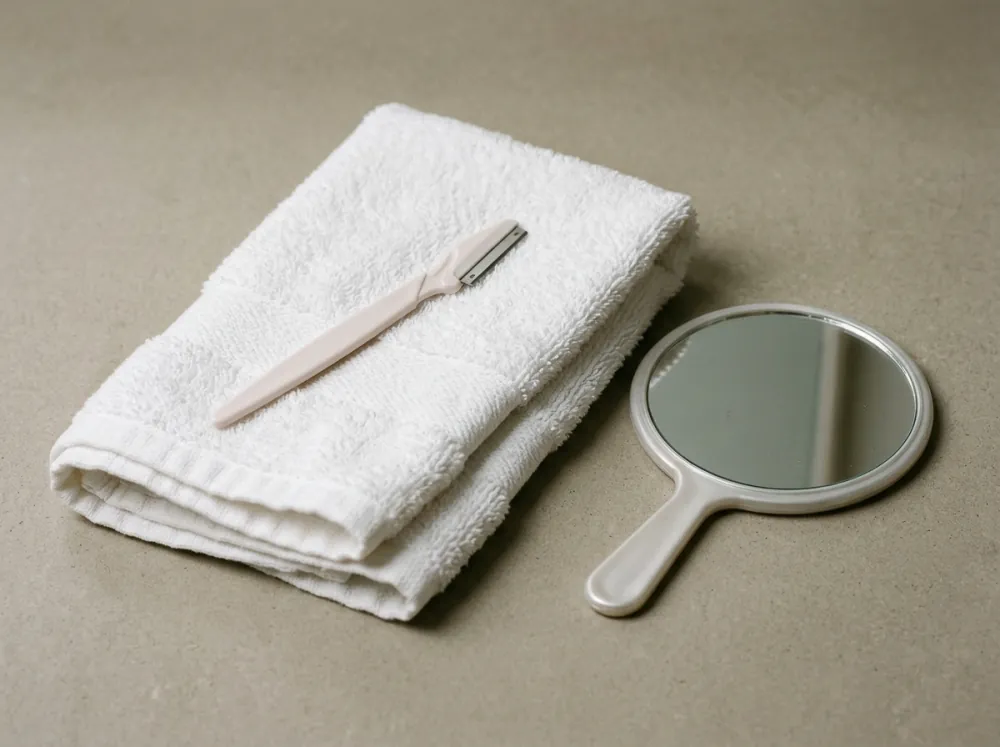
No source opened compared clinic and home dermaplaning. The one study that used a device also found results differed significantly between the people who operated it, which is a point about technique and not about setting.
A home tool is, in practice, a small blade. As reasoning, the DermNet shaving cautions above apply to it, and so does the blunt-tip point. As reasoning, a clinic offers a trained operator and the option to decline a skin that is not suitable, and no study opened tested whether that changes outcomes.
What the Benefits of Dermaplaning Rest On
The benefits of dermaplaning usually mean smoother skin, brighter skin, easier makeup and better product absorption. The best available overview is a systematic review of dermaplaning, topical oxygen and light therapy (abstract). It screened the literature and found 42 peer-reviewed manuscripts across the three, and concluded the scientific data supporting these methods were scarce, anecdotal and not well documented, although many patients and practitioners reported being pleased. It adds that they are most effective within a comprehensive routine including sunscreen, and that giving patients realistic expectations is essential, which is a fair summary of where the evidence stands. The smoothness and brightness that people report are visual impressions, and no source opened measured either with an instrument after dermaplaning.
That review dates from 2009 searches, and the permeation study is from 2023; no trial on faces was found in the sources opened. Our article on microneedling before and after applies the same questions to another popular procedure.
Conclusion
Dermaplaning at home removes vellus hair and part of the outer skin. The hair does not return thicker or darker, and the best explanation for the impression is the blunt cut tip. One in vitro study shows more drug permeation through dermaplaned skin, with variation between operators, and the overview of the evidence for the benefits calls it scarce.
If you are weighing dermaplaning at home, photographing the same patch of skin in the same place and light before and a few days after, in an album or in an app like Skinic, shows whether anything has changed that you can see. For skin that scars, breaks out or reacts easily, ask your own clinician.
Frequently asked questions
5 questions · tap one to open the answer
Does dermaplaning make hair grow back thicker?
What does dermaplaning remove?
Does dermaplaning help skincare products absorb better?
What are the benefits of dermaplaning?
Who should not do dermaplaning?
Medically reviewed by
Dr. M.M Hanaei
Aesthetic Physician, Dermatology Fellowship
- MD — Shahid Beheshti University of Medical Sciences (SBMU)
- MCC Licensure (Medical Council of Canada)
- Dermatology Fellowship, Switzerland
- Certified in advanced aesthetic procedures
Last reviewed 15 October 2026