Tinted Moisturizer With SPF: Is It Enough Protection?
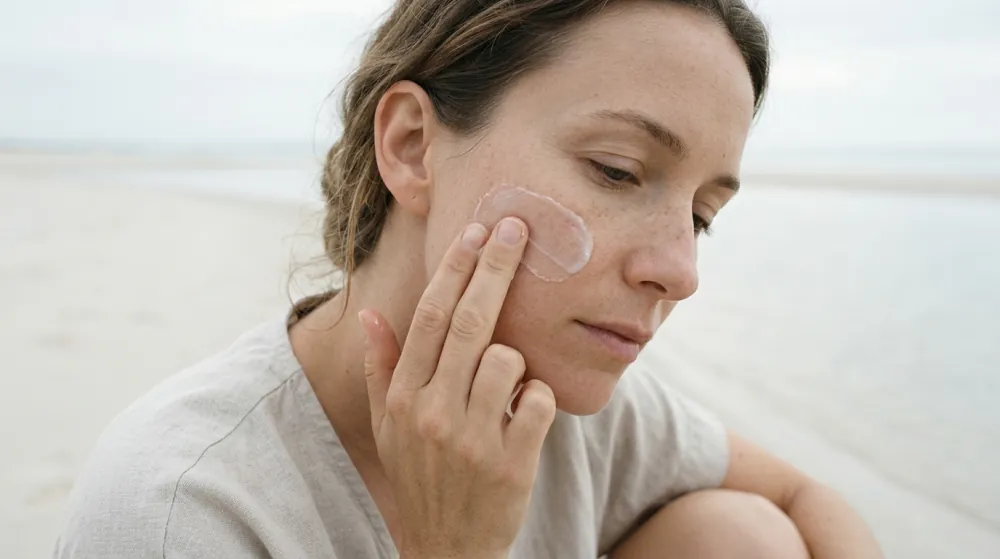
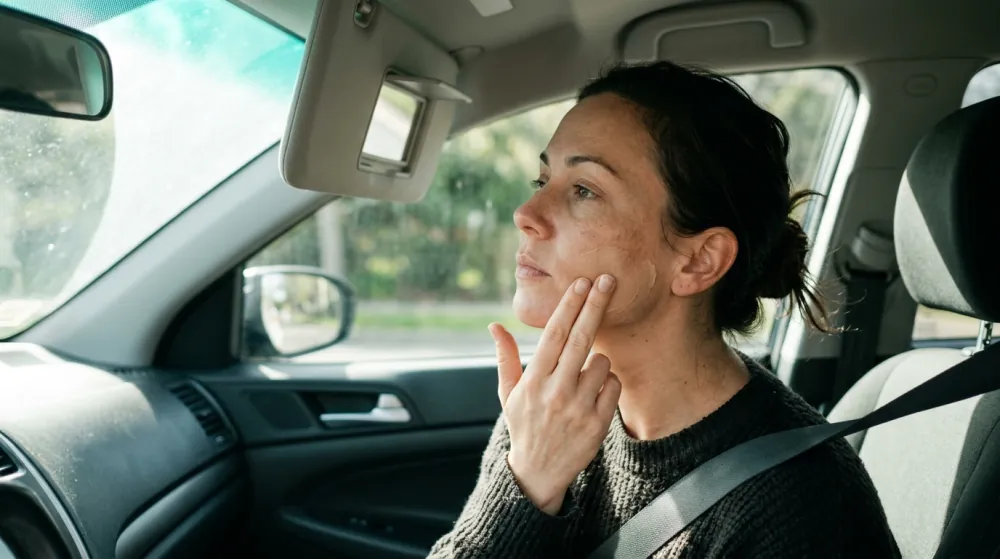
The SPF on a tinted moisturizer assumes 2 mg/cm², far more than people apply. A 2021 study found layering makeup over sunscreen raised protection, but it did not show that the SPF numbers add up.
Care & products · Page 2 of 3
Sunscreen only protects as well as the amount you apply, and most people use far less than the label assumes. These articles explain how much you need for your skin type, why you can still tan through it, how to avoid a white cast on deeper skin, and what lightweight, stick and tinted formats really deliver. Every article that is mainly about sunscreen lives here.

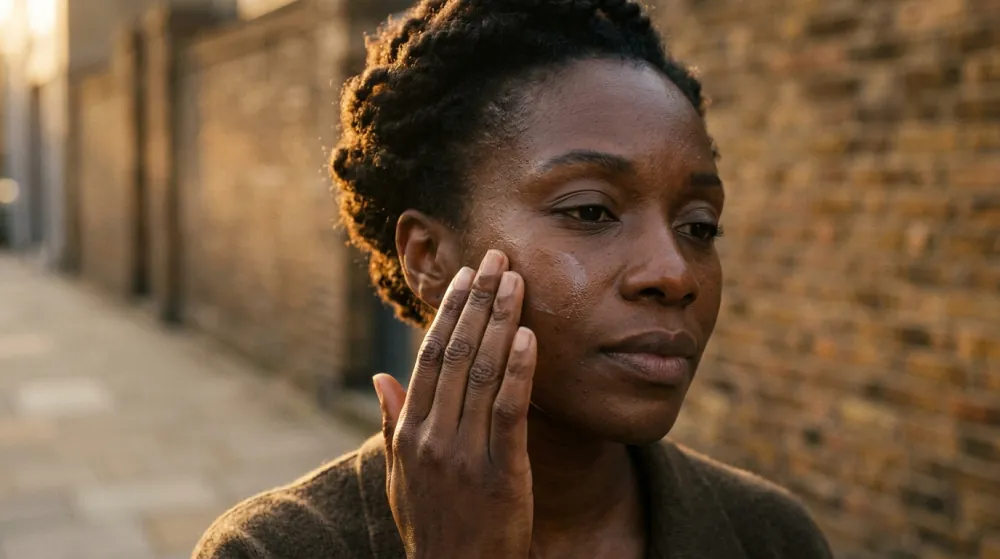
The SPF on a tinted moisturizer assumes 2 mg/cm², far more than people apply. A 2021 study found layering makeup over sunscreen raised protection, but it did not show that the SPF numbers add up.

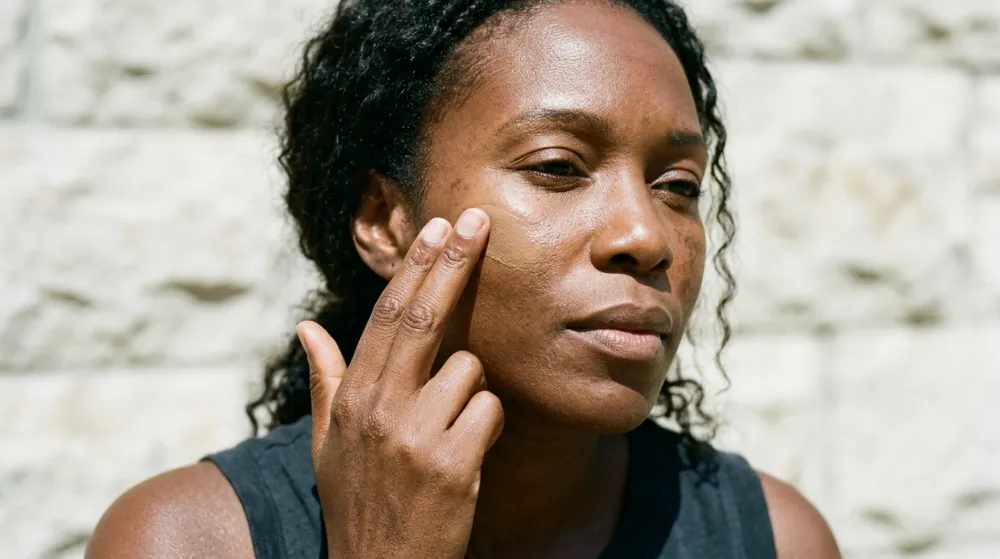
Melanin's protection is real and partial. The "natural SPF of 13" figure traces to a 1979 study whose abstract does not state it, and pigmentation is the larger daily reason to wear sunscreen.

The FDA added bemotrizinol to the US sunscreen monograph in June 2026. What the filter does, what the FDA found, and why "European sunscreens are better" is a claim about a standard, not about brands.

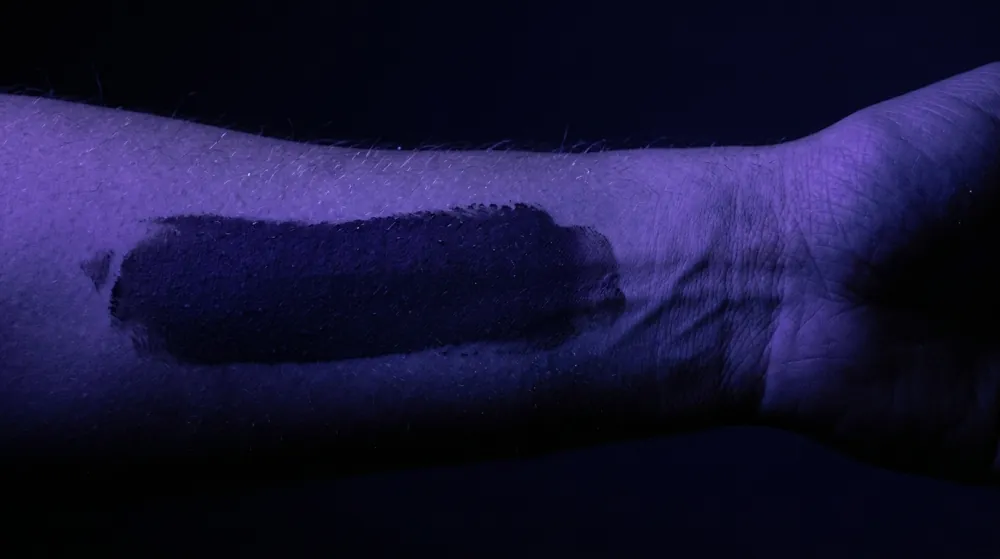
SPF measures sunburn, not the visible light that darkens deeper skin. The phone-screen claim fails a dose check, and iron oxides are the filter that does block visible light.

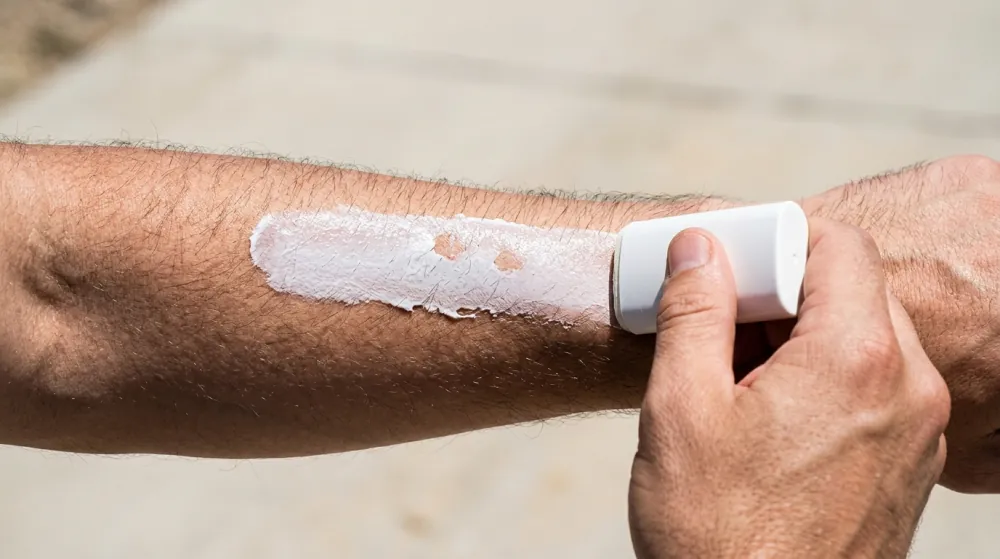
A sunscreen stick carries the same SPF as a lotion, tested at the same amount. In the one study that measured it, people applied a stick at less than a fifth of that amount.

SPF is tested at 2 mg/cm² and people apply far less. Lightweight describes how a sunscreen feels, and feel changes whether you apply it. Here is what the studies measured and what they did not.
Showing 7–12 of 16 articles