What Does Toner Do? Four Products Sold Under One Name
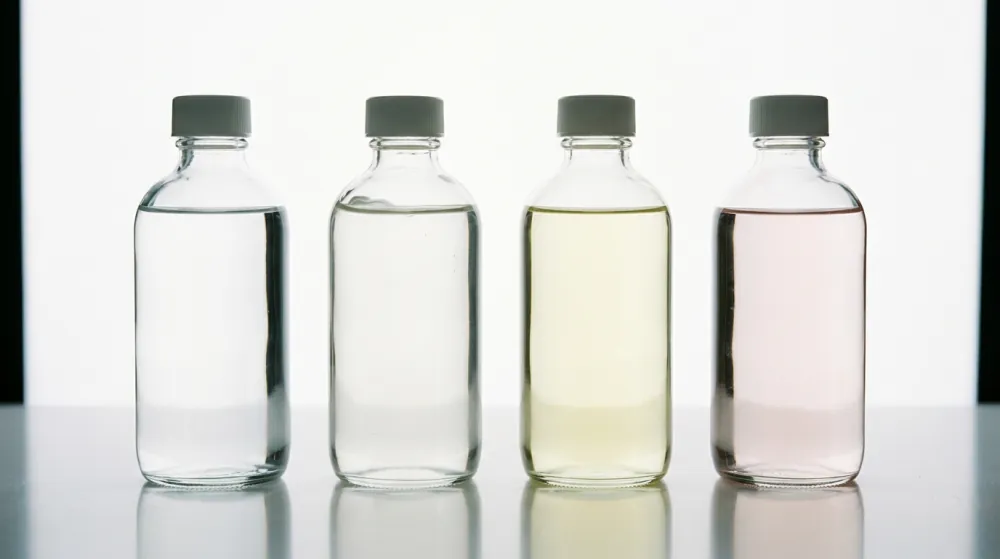
Toner can mean an astringent, a hydrating layer, an acid exfoliant or a pH adjuster. Nothing opened supports "closes pores", and the pH rationale dates from the soap era.
Care & products · Page 2 of 3
Every active ingredient has a specific job, a strength at which it was tested, and conditions under which it stops working. These articles compare and review retinoids, acids, vitamin C, azelaic acid, peptides, urea and more, explain what your choice of toner, moisturiser and cleanser actually changes, and check popular trends such as tallow against the evidence.

Toner can mean an astringent, a hydrating layer, an acid exfoliant or a pH adjuster. Nothing opened supports "closes pores", and the pH rationale dates from the soap era.

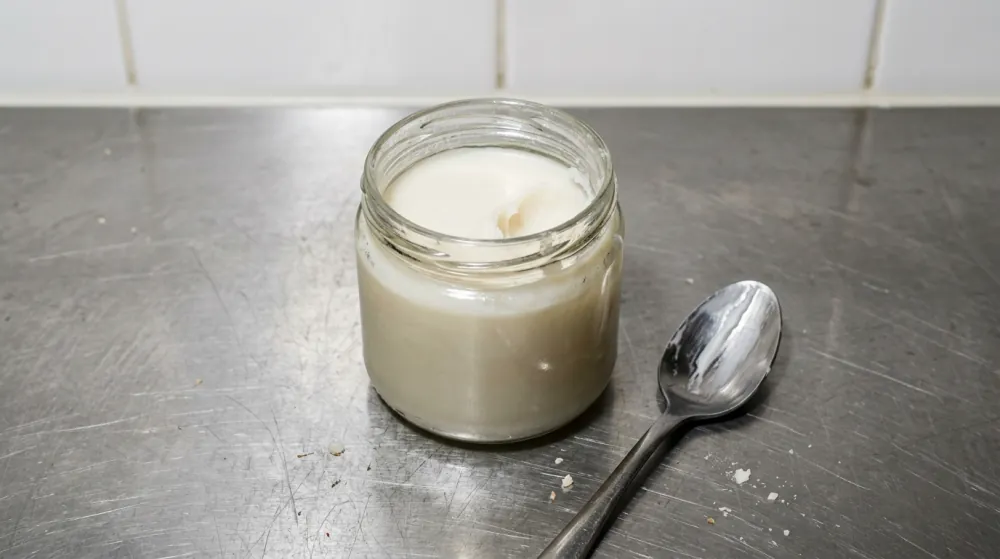
Tallow resembles human sebum, not the skin barrier. The "biocompatible" claim rests on a scoping review that found no human trial of tallow, and an open jar oxidises faster than a sealed one.

Tretinoin and retinol sit one chemical step apart. The 20-times-weaker figure is not in the papers it cites, and the FDA's wrinkle label for tretinoin is narrower than most people assume.

Kojic acid has trial evidence as a leave-on cream used for months, not as a soap rinsed in a minute. Here is how it compares with hydroquinone, and whether safer is proven.

Two studies measured how much of the same peptide crosses the skin and disagreed by a factor of 136. That is the state of the evidence under the most-marketed ingredient class in skincare.

"Serum" is a viscosity band, not a strength rating — there is no technical or regulatory definition of it. Sorted by target instead, the categories separate sharply, and two of them have almost nothing behind them.
Showing 7–12 of 17 articles