Skinic
"Barrier" is the most-used word in skincare and one of the least defined. It appears on packaging, in routines, in every explanation of why something went wrong — and it is almost never attached to anything measurable.
It is measurable. The barrier has a structure you can describe, a composition you can assay, and a function you can quantify with an instrument. None of that is obscure. It just does not survive the trip to the label.
This article covers what the barrier physically is, how damage is actually measured, what over-cleansing does — and, more importantly, what it does not do, which is where this site has to correct itself.
What the Barrier Actually Is
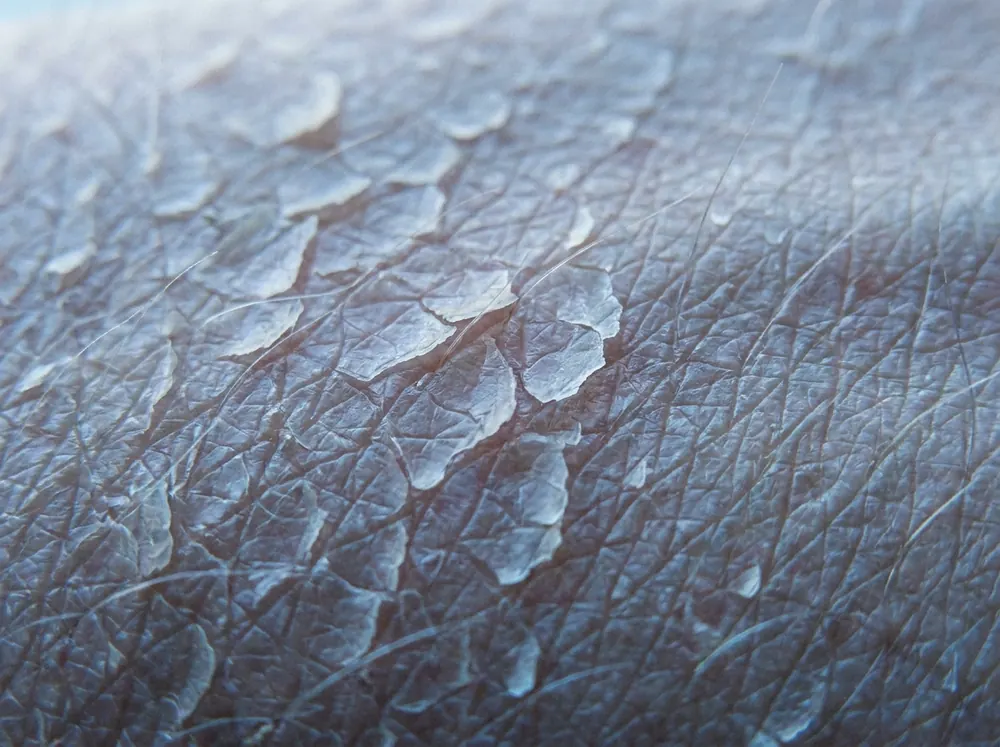
The barrier is the stratum corneum: the outermost layer of the epidermis, between 10 and 30 micrometres thick, made of dead keratinised cells embedded in a lipid matrix.
The standard image is bricks and mortar — corneocytes as the bricks, lipids as the mortar. It is a good enough picture with one important correction: the mortar is not filler, it is the barrier. The review is explicit that the lipid matrix forms the only continuous pathway through the layer. Anything crossing your skin crosses those lipids.
The analogy also has a live limit worth knowing. Whether substances are genuinely restricted to the intercellular lipid route or can also cross through corneocytes is still debated, depending on the method used to look. The model is a working approximation, not a settled map.
The lipids themselves are three classes: ceramides, cholesterol and free fatty acids. There are no phospholipids in the stratum corneum at all, which is unusual for a biological membrane and is part of what makes this layer behave the way it does. A roughly 1:1:1 molar ratio of the three is described as a reasonable approximation of what is there.
Two facts from that review change how you should read your own skin:
Barrier lipids are seasonal. The amount of bound ceramides in winter is around 50% of the summer level. Your barrier is genuinely a different composition in February than in July, and that is not a failure of your routine.
They decline with age. Bound ceramide levels drop in people over 50.
How Damage Is Actually Measured
Three things, none of which appear on a product page.
Transepidermal water loss. TEWL is the standard measure of barrier integrity — how much water escapes through the skin per unit area per hour. Reduced ceramides and free fatty acids correlate with increased TEWL. It is an instrument reading, not a sensation.
Lipid composition. In atopic dermatitis, all ceramide fractions are reduced against controls, with the most drastic reduction in one specific subclass, and correlations run between the disturbed barrier recorded by TEWL and the changes in individual ceramide subclasses. Short-chain ceramides go up while long-chain ones go down. That is what a measurably altered barrier looks like.
Surface pH. Skin sits at a physiological pH of 4 to 6.5, and cleansers that move it substantially are doing something detectable.
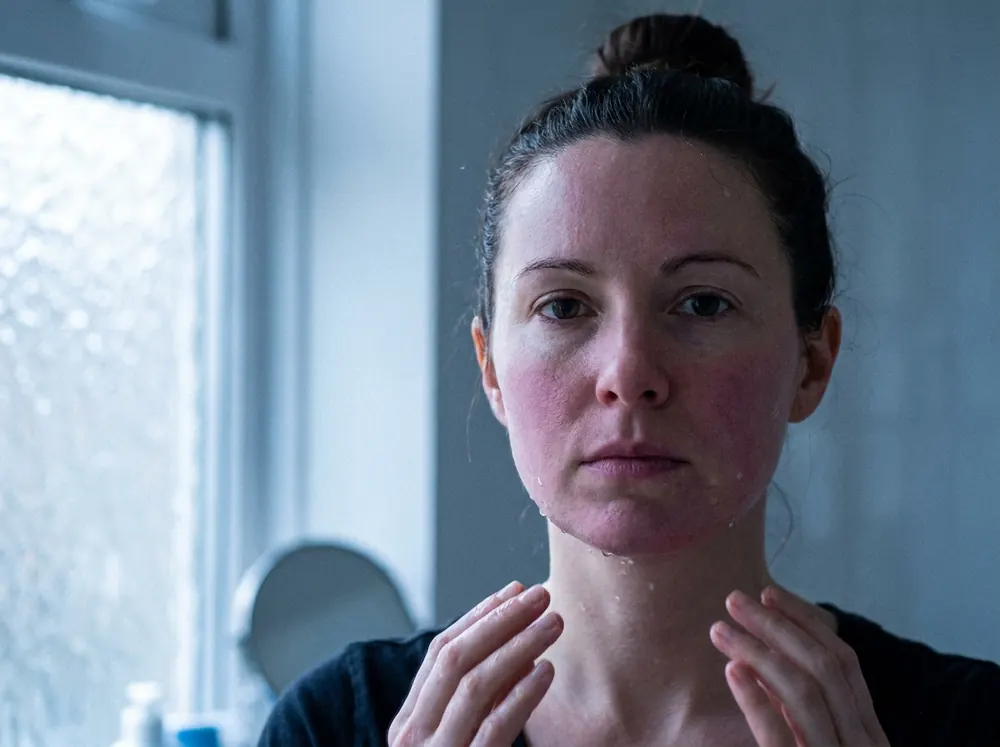
Set that against the consumer use of the term. "My barrier is damaged" almost always means my skin stings, looks red and feels tight — which are real experiences and reasonable evidence of irritation, but are not the same as a measured barrier defect. Sometimes they coincide. Sometimes the skin stings because an acid is on it and the barrier is entirely intact.
What Over-Cleansing Does
The damage part is well documented and specific.
Surfactants bind to keratin and cause protein denaturation, damaging the cell membrane of keratinocytes. That is the mechanism, and it is a protein and lipid problem rather than an oil problem.
The pH difference is the clearest illustration. Classic soaps sit at pH 9 to 10 against skin's physiological 4 to 6.5. Skin washed with synthetic detergents showed well-preserved lipid and protein regions compared with significant damage to both after washing with soap. Washing twice daily with an alkaline soap at pH 10.2 reduced the stratum corneum cell layer and caused attrition of intercellular lipids in people with atopic dermatitis.
The same review is blunt about frequency: vigorous scrubbing with soap and water several times a day reduces oiliness but leads to aggravation of acne.
So over-cleansing is real, and what it damages is protein and lipid. That part stands.
And What It Does Not Do
Now the part this site got wrong.
The standard explanation for oily skin — and, until this article was written, the explanation given in two posts published here — is that stripping the skin triggers compensatory sebum production: your skin reads the loss as damage, overproduces to compensate, and you end up oilier than when you started. It is a satisfying mechanism. It explains a frustrating experience. It is repeated everywhere.
There does not appear to be evidence for it.
The most-cited contrary evidence is a 2021 study in Skin Appendage Disorders on shampoo wash frequency. It found that daily washing produced significantly lower overall surface lipid than a seven-day refrain, with no significant difference in internal lipids, and its authors concluded that concerns about overcleaning were "unfounded both objectively and subjectively." They describe compensatory production as a commonly cited belief rather than an established finding.
Three caveats belong right next to that, and they matter:
- It is a scalp study, not a facial one. Scalp and face are different in gland density, surface area and what gets applied to them.
- It used shampoo, not facial cleanser.
- It is authored by Procter & Gamble researchers with academic co-authors, and the conclusion — wash more often — is commercially convenient for a company that sells shampoo.
So the correct status of the rebound claim is unsupported, not disproven. Nobody has demonstrated compensatory facial sebum production, and the best objective data pointing at the question points the other way, in a different body site, from an interested party. That is a weaker statement than "the myth is busted," and it is the accurate one.
What follows practically is unchanged: do not over-wash. The reason changes. You are protecting protein and lipid structure, not preventing an oil rebound that has never been shown to happen.
The guidance on choosing a cleanser for oily skin holds in full — gentle surfactant, physiological pH, do not scrub. Only the stated mechanism behind it has been corrected.
What Actually Sets How Oily You Are
If washing does not set sebum output, something does. The review of oily skin treatment options is specific.
Androgens. Testosterone and dihydrotestosterone drive sebaceous gland differentiation, proliferation and output. Sebocytes carry Type 1 5α-reductase, which converts testosterone to the more potent DHT in the skin itself.
Age. Production is high at birth, drops, then rises fivefold in males at puberty and stays elevated until menopause in women and the sixth or seventh decade in men.
Season and climate. Several studies describe increased sebum production in spring and summer and in more humid climates. This one is worth separating carefully: heat genuinely raises output. That is a different claim from post-washing rebound, and it is supported.
Genetics and sex. Output varies by ethnicity and pore size, and men produce more than women.
The measured rates give the whole thing a scale. A normal adult produces about 1 mg per 10 cm² every three hours. Under 0.5 counts as dry; over 1.5 counts as excessive.
What Measurably Moves the Number
Oral isotretinoin reduces sebum production by 90%. A combined oral contraceptive produced a 60% relative reduction on the cheeks and 30% on the forehead after six cycles. Topical 2% niacinamide significantly lowered sebum excretion after two and four weeks.
Every single item on that list is a drug or a hormone. How recently you washed your face is not on it — the review does not address cleansing at all, and notes explicitly that over-the-counter products were not reviewed individually for lack of objective data.
Washing removes sebum that is already on the surface. Whether it changes how much the gland makes is a separate question, and the honest answer is that nobody has shown it does. If you are oily at 3pm having washed at 7am, the likeliest explanation is that your glands were always going to produce that much. Combination skin is frequently this misread — a normal output being interpreted as a routine failure.
The 28-Day Figure, Audited
"Your barrier takes 28 days to repair" is on every page about this subject. It is a real number attached to the wrong thing.
The 28 days is the epidermal renewal cycle. Keratinocyte differentiation — a cell forming at the base, travelling up and being shed — takes approximately four weeks. That is a fact about cell turnover, not about barrier recovery.
Barrier recovery is a different quantity, measured as TEWL returning toward baseline, and it depends entirely on how much damage was done. The review notes that ceramide production increases after tape-stripping in control skin, which is the repair response switching on, but it does not put a clock on completion.
There is no single reliable recovery figure to point to, because the question is badly posed. A day of a slightly harsh cleanser and a chemical burn are not the same insult and do not share a timeline. Mild irritation settles in days. Substantial damage does not.
What the 28 days is useful for is a different thing entirely: it is roughly how long before newly formed cells reach the surface, which is why judging any active on less than a month of use is judging it early — and why two to three months is the standard for assessing an acne treatment.
What Repairs It, and What "Barrier Repair" Can Legally Mean
The repair evidence divides cleanly into what is mechanistically obvious and what is commercially claimed.
Stop the Insult, Then Cover It
The three moisturiser classes are humectants, occlusives and emollients, and the occlusive fraction is what physically reduces water loss — petrolatum being the most effective at nearly 99%. If the measurement of a damaged barrier is elevated water loss, the intervention that most directly addresses the measurement is an occlusive.
What is plausible and less settled: replacing the lipids. The 1:1:1 ceramide-cholesterol-fatty-acid ratio is a real description of the stratum corneum's composition. Whether a topical product reconstitutes that organisation in your skin is a separate question from the ratio being accurate, and the label rarely distinguishes them.
What the Phrase Can Legally Mean
Nothing. "Barrier repair" is a cosmetic claim. As with every other unregulated category term, there is no approved list, no pre-market approval of the claim, and no standardised test behind it. It describes a marketing position, not a demonstrated property of what is in the jar — and the same is true of "serum", which turns out to be a viscosity band rather than a strength.
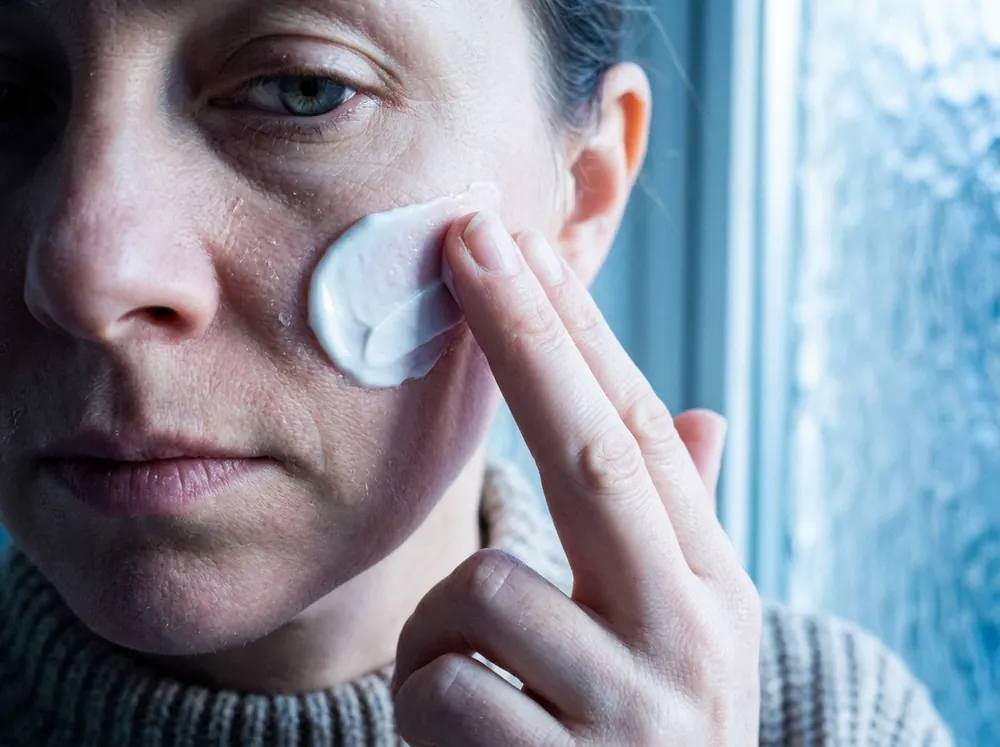
The reliable sequence is unglamorous. Remove what is causing the damage — usually a harsh surfactant, too many actives at once, or both. Use a milder cleanser at a physiological pH. Put something occlusive on top — the same sequence that works for the barrier's commonest presentation, ordinary dry skin. Wait longer than feels reasonable. A shorter routine is itself a barrier intervention, because every product removed is one less thing to be the cause.
Conclusion
The barrier is 10 to 30 micrometres of dead cells held in a lipid matrix of ceramides, cholesterol and free fatty acids at roughly equal parts, and that matrix is the only continuous route through your skin. Damage to it is measurable as water loss, altered lipid composition and shifted pH. None of those appear on packaging.
Over-cleansing damages it, and the damage is protein denaturation and lipid extraction — documented, specific, and worse with alkaline soap than with synthetic detergents.
What over-cleansing has not been shown to do is make your skin produce more oil. That mechanism is asserted constantly, and it was asserted here too until the two posts carrying it were corrected. The best objective evidence pointing at the question points the other way — in a different body site, from an interested source. Unsupported rather than disproven, and either way not something to state as fact. Sebum output is set by androgens, age, season and genetics; the things that measurably reduce it are drugs.
And the 28 days everyone quotes is the cell turnover cycle wearing a barrier costume. Recovery scales with the insult, which means the useful question is never "how long" but "what is still doing it."
Frequently asked questions
5 questions · tap one to open the answer
What does a damaged skin barrier actually mean?
Does over-washing make your skin produce more oil?
What actually controls how oily your skin is?
How long does it take to repair a damaged skin barrier?
Do barrier repair creams work?
Medically reviewed by
Dr. M.M Hanaei
Aesthetic Physician, Dermatology Fellowship
- MD — Shahid Beheshti University of Medical Sciences (SBMU)
- MCC Licensure (Medical Council of Canada)
- Dermatology Fellowship, Switzerland
- Certified in advanced aesthetic procedures
Last reviewed 27 September 2026