Skinic
If you have oily skin, chances are you have been washing your face like it is a mission to scrub every last drop of shine away. Stronger cleanser, more lathering, maybe even twice as often. And yet, somehow, your skin just keeps getting oilier. Sound familiar?
Here is the thing: the problem might not be that you are cleansing too little. It might be that you are cleansing too much, or with the wrong products entirely. Choosing the right cleanser for oily skin is not actually about stripping oil away. It is about working with your skin rather than against it.
In this post, we are going to flip the script on everything you thought you knew about oily skin care. You will learn why your skin barrier matters more than you think, what harsh cleansers are actually doing to your face, and how to find a gentle cleanser that keeps oil in check without making things worse. We will also walk you through what to look for, what to avoid, and how to tell if what you are using is actually working. Let us get into it.
The Real Reason Your Skin Stays Oily (It Is Probably Not What You Think)
If you have oily skin, your instinct has probably been to cleanse more thoroughly, more often, or with the strongest formula you can find. It feels logical. It is also likely making things worse.
What over-cleansing reliably does is damage the barrier, and damaged skin reads as worse rather than better. Here is why.
Your skin produces sebum for a reason. It forms part of the acid mantle, a thin protective film that sits at a slightly acidic pH of 4.5 to 5.5. This layer supports the structural integrity of your skin barrier, regulates enzymatic activity, and keeps your skin microbiome balanced. When you strip it away with a harsh cleanser, the surfactants denature protein in the outer layer and extract the intercellular lipids holding it together. The result is skin that feels tight, reacts more easily and looks worse — so you reach for the strong cleanser again, and the damage accumulates.
It is widely assumed that stripping also triggers the skin to produce more oil to compensate. That mechanism has not been demonstrated, and the best objective data on washing frequency points the other way. Oiliness is set largely by androgens, age, season and genetics rather than by how recently you washed. What over-cleansing reliably does is damage the barrier, which is reason enough not to do it. What "damaged" actually means, and how it is measured goes through the structure this is protecting.
The problem is that the entire traditional "oily skin" product category was built around the wrong goal. Formulas designed to strip shine treat sebum as the enemy rather than protecting the structure that keeps skin comfortable and resilient.
Choosing the right gentle cleanser for oily skin starts with understanding this: the goal is barrier balance, not maximum oil removal. Everything else follows from that reframe.
What Your Skin Barrier Actually Does (and Why It Matters for Oily Skin)
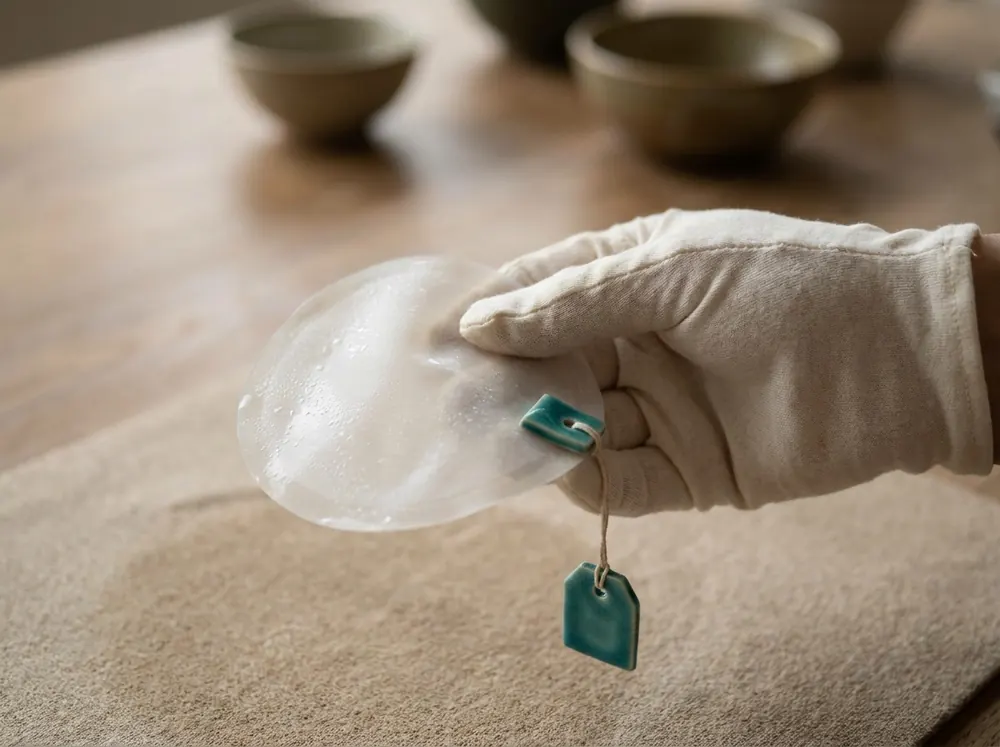
So what exactly is the skin barrier, and why does it keep coming up in conversations about oily skin?
Think of it less as a cosmetic layer and more as your body's frontline defence system. The barrier blocks environmental irritants, prevents transepidermal water loss (the invisible evaporation of moisture from skin), and stops pathogens from getting in. Damage it, and all three of those jobs suffer simultaneously.
Here is where it gets relevant for oily skin specifically. Sebum is not just excess grease sitting on your face; it is a structural ingredient in the acid mantle, your skin's thin, slightly acidic surface film. The acid mantle forms from a mix of sebum, sweat, and the metabolic activity of skin-resident microorganisms. Research confirms that this acidic environment actively shapes your microbiome, favouring beneficial bacteria while suppressing pathogens. Disrupting that system affects every function the barrier performs.
A compromised barrier does not just feel uncomfortable. It produces exactly the symptoms that oily-skin sufferers tend to blame on clogged pores or poor hygiene: increased sensitivity, reactive oiliness, and in some cases more frequent breakouts. These symptoms are the barrier signalling distress, not evidence of a cleanliness problem.
What barrier disruption looks like in practice is visible in the symptoms below.
Watch for these signs that your barrier is already disrupted:
- Skin feels tight, uncomfortable, or "squeaky clean" after washing
- Breakouts increased after switching to a new cleanser
- Persistent midday shine despite cleansing twice daily
If any of those sound familiar, the cleanser is likely the problem, not the solution.
What to Look for in a Gentle Cleanser for Oily Skin
So you know your barrier matters. The next question is practical: what actually belongs in a gentle cleanser for oily skin?
Start with the surfactant. This is the most important variable on the ingredient list. Amino acid-based surfactants, such as sodium cocoyl glutamate and sodium lauroyl sarcosinate, are considered milder alternatives to sulphate-based surfactants and are less likely to disrupt the acid mantle. Sulphate-based surfactants like sodium lauryl sulfate do the job more aggressively, and that aggression is the problem.
Check the pH. A face cleanser for oily skin should sit between 4.5 and 5.5, which mirrors the skin's natural acid mantle range. Many products marketed as "deep cleansing" or "oil control" are alkaline, falling well outside this range, and they disrupt barrier function every time you wash. If a product doesn't list its pH, the surfactant type is your best proxy.
Look for hydration-supporting ingredients in the cleanser base, humectants and skin-identical compounds that maintain moisture balance without heaviness. None of these will make your skin feel greasy; they simply prevent the cleanser from leaving it parched.
Don't rule out gel or foaming formulas. Format is not the deciding factor. A foaming cleanser built on amino acid surfactants is gentler than a creamy one built on sulphates. Judge the ingredient list, not the texture.
Choose fragrance-free where possible. This matters more for oily, acne-prone skin than most people realise. Fragrance ingredients are common irritants, and irritation compounds barrier damage, feeding the same reactive cycle you're trying to break.
Ingredients and Formulations to Avoid
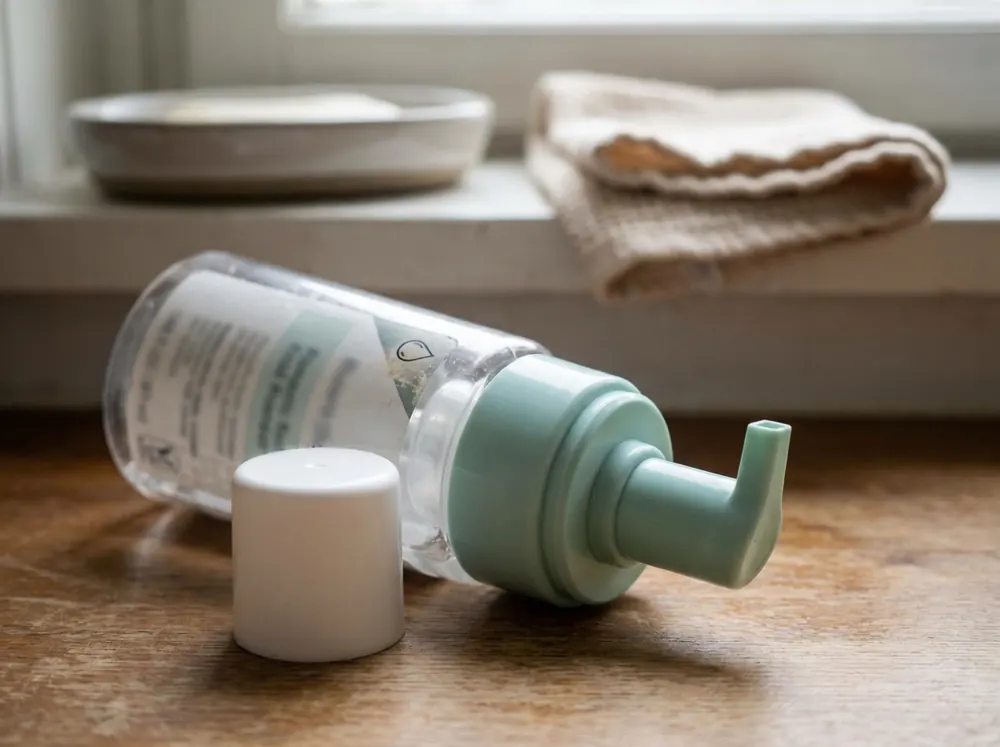
Knowing what to look for is only half the equation. Recognising what to avoid is just as important, particularly when many products marketed specifically for oily skin contain the very ingredients that make oiliness worse.
Sodium lauryl sulfate (SLS) and sodium laureth sulfate (SLES) are the most common offenders. They strip oil efficiently, but research published in the Journal of Investigative Dermatology confirms they significantly disrupt barrier repair proteins after even brief exposure. The result is a compromised acid mantle and a barrier less able to hold water, which is what leaves the skin tight and reactive.
High-concentration alcohols, listed as denatured alcohol, alcohol denat., or ethanol near the top of an ingredient list, are another red flag. They create a temporary mattifying effect, but the dehydration they cause signals the skin to produce more oil. That midday shine comes back faster than before.
Benzoyl peroxide cleansers have a legitimate role in targeted acne treatment, but used daily as a primary cleanser they introduce more oxidative stress than most barriers can handle. Reserve them for spot use rather than routine cleansing.
Physical scrubs and exfoliating cleansers used more than once or twice a week mechanically abrade a barrier that is likely already reactive. Frequency compounds the damage, even when individual uses seem mild.
Traditional bar soaps are worth singling out despite their natural reputation. They are typically alkaline, well above the skin's ideal pH range, making them among the more disruptive cleansing formats for acid mantle integrity.
If a product promises to "deeply purify" or "control excess oil," checking the ingredient list for these red flags before purchasing is a worthwhile habit.
It is also worth questioning what you are trying to purify. The even pattern of tiny grey dots across the nose that drives most "deep cleansing" purchases is usually sebaceous filaments, a normal structure rather than a blockage, as covered in our guide to identifying the bumps on your face, and in more depth in sebaceous filaments vs blackheads.
How to Transition to a Gentler Cleanser Without Panic
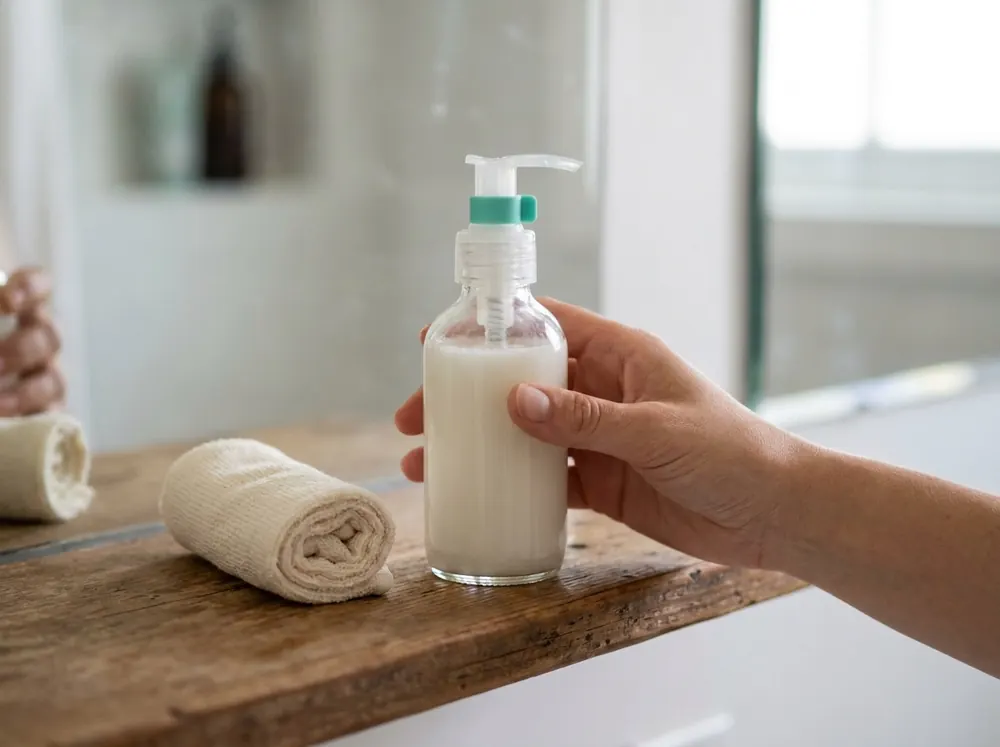
Once you know what to avoid, switching cleansers is straightforward. The harder part is managing your expectations through the transition.
Step 1: Diagnose your current cleanser. If your skin feels tight, squeaky, or uncomfortably "clean" after washing, that sensation is a barrier warning. It almost certainly means your current cleanser is alkaline or sulfate-based and is stripping more than it should.
Step 2: Make the swap and commit. Replace it with a gentle cleanser that uses an amino acid surfactant base and sits within a pH of 4.5 to 5.5. Use it twice daily and give it a minimum of two weeks before forming any opinion.
Step 3: Give it several weeks. A barrier that has been repeatedly stripped takes time to rebuild its lipid content, and skin can feel unsettled while it does. Most people notice a settling window of several weeks as a normal part of this process.
Step 4: Do not abandon ship mid-transition. If your skin seems oilier in weeks one or two, that is the rebalancing phase, not evidence that your new cleanser is failing. Reintroducing a stripping cleanser at this point resets the cycle entirely.
Step 5: Add a lightweight moisturiser. This surprises most people with oily skin, but it matters. A hydrated barrier holds water better and feels less tight, which is what most people with oily skin are actually missing. Choose a non-comedogenic, gel-based formula and apply it after each cleanse throughout the transition period.
How to Know If Your Cleanser Is Actually Working
Once you've made the switch, the question becomes: how do you actually know it's helping?
The clearest early signal is how your skin feels about 10 to 15 minutes after washing. A cleanser that's supporting your barrier leaves skin feeling comfortable and neutral, not tight, not greasy. If you're still getting that squeaky, pulled feeling, the product is likely still stripping.
Gradual reduction in midday shine over several weeks is a reasonable expectation, but day-to-day comparisons are unreliable. Because day-to-day variation from sleep, stress, and humidity makes progress hard to judge, comparing impressions across weeks rather than days gives a more reliable picture.
How oiliness redistributes as you transition is covered in the pattern-matching section below.
Beyond shine, watch for these signs that your barrier is stabilising:
- Less redness after cleansing
- Fewer breakouts during stressful periods
- Other products in your routine (moisturiser, SPF) sitting better on your skin without stinging or pilling
This is where having a baseline matters. Skinic's skin analysis can map your oiliness pattern before you make any changes, giving you a reference point to measure progress against, which is especially useful if you have combination skin or concerns concentrated in specific zones.
Matching Your Cleanser to Your Oiliness Pattern
Once you know what your oiliness pattern looks like, you can match your cleanser choice to it more precisely.
All-over oiliness across your entire face typically reflects systemic drivers: hormonal fluctuation, genetics, or climate. A gentle cleanser for oily skin used consistently twice daily is the right call here. No zone-specific adjustments are needed.
T-zone oiliness with drier or normal cheeks is a combination pattern, and it tempts people to reach for a stronger cleanser on the forehead, nose, and chin only. Resist that. A single mild gel cleanser across the whole face is more effective than using different products in different zones. The same logic applies to moisturiser, and for a measurable reason — combination skin is usually dehydrated skin goes through what the sebum and hydration readings across a face actually show.
Fluctuating oiliness tied to stress, poor sleep, or diet points to a reactive barrier. If this sounds like you, switching to a gentle face cleanser for oily skin is likely to produce the most noticeable improvement.
Cyclical hormonal oiliness, such as increased shine in the week before a period, does not call for a stronger cleanser. Consistency with a gentle cleanser is what stabilises the pattern. Addressing hormonal sebum more actively is best handled outside the cleanser, in your serum or moisturiser, rather than by increasing cleansing aggression.
Oiliness alongside active acne is where the urge to over-cleanse peaks and the risk is greatest. A gentle cleanser remains the right foundation even when breakouts are present. Barrier damage worsens acne outcomes, not the other way around.
The Takeaway: Clean Skin Is Not Stripped Skin
Regardless of your oiliness pattern, the underlying principle stays the same: cleansing for oily skin is about protecting your barrier, not maximising oil removal. The more aggressively you strip, the more damage the barrier accumulates.
Here is the short version of everything covered above:
- Choose wisely: Look for amino acid or mild surfactant cleansers with a pH between 4.5 and 5.5.
- Avoid the usual culprits: SLS, high-concentration alcohol, and daily exfoliating formats all disrupt the acid mantle and strip the intercellular lipids the barrier depends on.
- Give it time: Sebum production takes several weeks to recalibrate after you remove the stripping stimulus. Oiliness may seem unchanged early in the transition; that is normal.
The biggest mistake oily skin types make is reaching for the harshest option on the shelf. Before you do that, it is worth understanding your specific oiliness pattern. All-over oiliness, T-zone concentration, hormonal fluctuation, and stress-reactive skin all have different drivers and respond differently to routine changes.
Skinic's skin analysis gives you a personalised baseline, identifying where and how your skin is oily before you commit to a product. That baseline also lets you track genuine barrier recovery over weeks rather than guessing day to day. It is a practical starting point for making a smarter, more informed cleanser choice.
Conclusion
Oily skin is not a problem to be punished; it is a signal worth understanding. The right cleanser works with your barrier, not against it, and that shift alone can change how your skin behaves over time.
Keep these core ideas with you: harsh cleansers trigger more oil, not less. A compromised barrier is often the root cause of persistent shine. Gentle, pH-balanced formulas give your skin the stability it needs to self-regulate. And your oiliness pattern matters when choosing the right approach.
The best next step is knowing your skin before buying another product. Use Skinic's skin analysis to identify your specific oiliness pattern, establish a baseline, and track real progress as your barrier recovers. Smarter cleansing starts with better information. Give your skin the chance to find its balance.
Frequently asked questions
5 questions · tap one to open the answer
Does cleansing more often make my skin oilier?
What ingredients should I avoid in a cleanser if I have oily skin?
What pH should a cleanser be for oily skin?
Should I moisturize if I have oily skin?
How long does it take for a gentle cleanser to fix oily skin?
Medically reviewed by
Dr. M.M Hanaei
Aesthetic Physician, Dermatology Fellowship
- MD — Shahid Beheshti University of Medical Sciences (SBMU)
- MCC Licensure (Medical Council of Canada)
- Dermatology Fellowship, Switzerland
- Certified in advanced aesthetic procedures
Last reviewed 27 September 2026