Skinic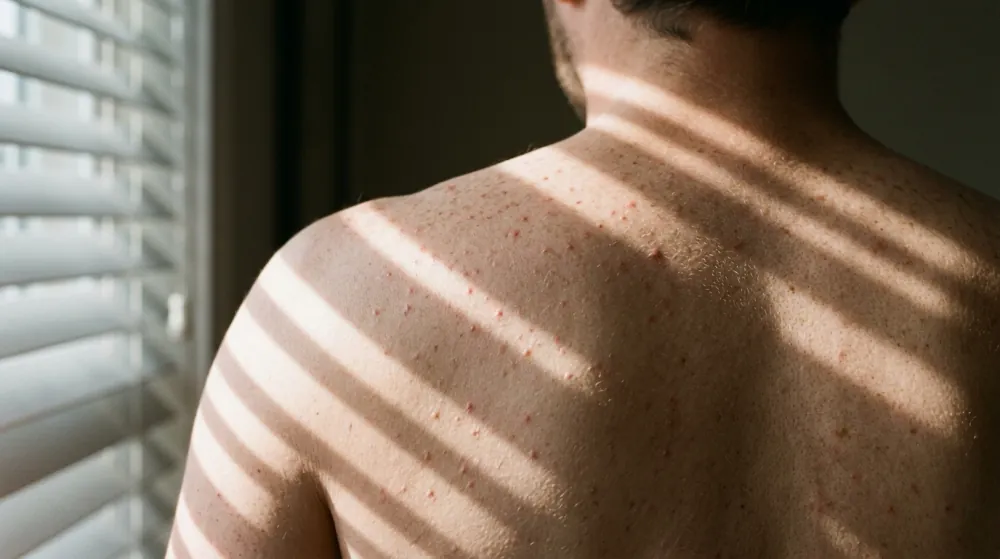
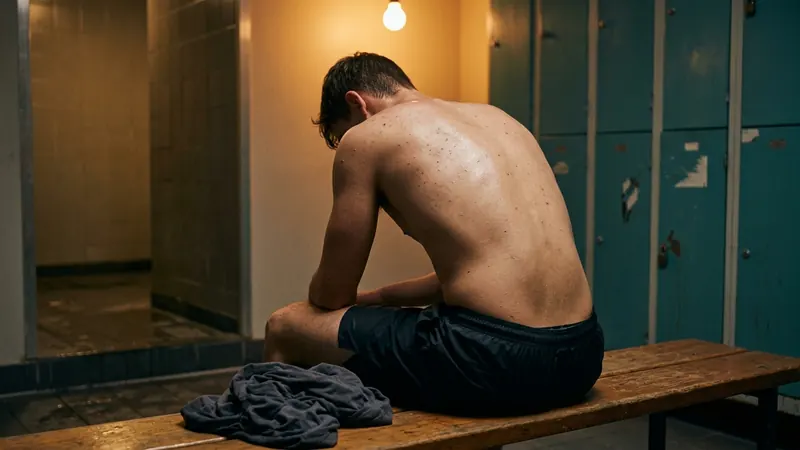
Folliculitis treatment starts with a question that has more than one answer: which kind is it? The word means an inflamed hair follicle, and the cause can be bacteria, a yeast, the regrowth of shaved hairs, hot water, or a drug. Acne is one kind of folliculitis. Most of the others are not acne, and treating the wrong one is a familiar way to fail.
In a review of Malassezia folliculitis, a yeast kind that mimics acne, 65% of 26 patients in one case series had been treated for acne first, and in a study of 110 patients that figure was 75%. This article covers what folliculitis is, four kinds told apart by setting, the scalp, the claim that folliculitis is just body acne, what over-the-counter washes have evidence for, and when a clinician is needed. It describes and evaluates. It does not tell you which kind you have, and treatment belongs with your own clinician.
A Follicle, Inflamed
DermNet defines folliculitis as an inflamed hair follicle due to any cause, giving a tender red spot, often with a surface pustule. It can be superficial or deep and can affect anywhere there are hairs, including the chest, back, buttocks, arms and legs. Its causes fall into infection, occlusion (blockage), irritation, drugs and skin diseases.
On that list DermNet places acne vulgaris, nodulocystic acne and rosacea as folliculitis variants. That wording matters later: acne belongs to the family, and the family is larger. DermNet also calls perioral dermatitis a facial folliculitis provoked by moisturisers and topical steroids, which our article on perioral dermatitis covers. Our guide to bumps on the body covers how folliculitis compares with keratosis pilaris and body acne.
Four Kinds by Setting
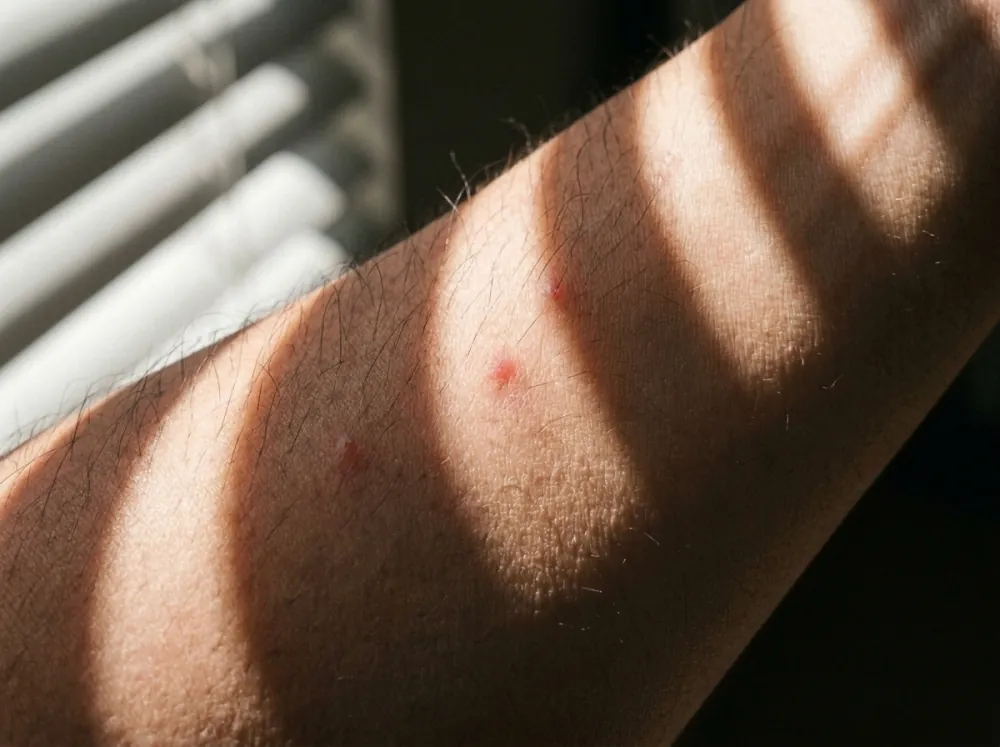
Appearance overlaps heavily between kinds, so the setting does more of the work: what the person had been doing, where the spots are, and whether they itch or hurt.
| Kind | Setting and sites | Typical clues |
|---|---|---|
| Bacterial | Any hair-bearing site; friction, occlusion, shaving; scalp, beard area, armpit, buttocks, limbs | Tender or mildly sore pustules, sometimes itchy |
| Yeast (Malassezia) | Upper trunk, hot humid climates, sweat, occlusion, antibiotic use | Itchy, uniform, no blackheads |
| Shaving-related | Where hair is shaved, waxed or plucked; beard area, lower legs, groin | Sterile on swab; itchy; appears as hairs regrow |
| Hot tub | Areas covered by swimwear, hours to days after warm water | Painful or itchy spots; may feel unwell |
Bacterial
DermNet's page on bacterial folliculitis says it is the most common form and is usually due to Staphylococcus aureus. Factors that predispose include occlusion and maceration, frequent shaving or waxing, friction from tight clothing, atopic dermatitis, acne, topical corticosteroids, long-term antibiotics, and several chronic illnesses. The superficial form gives one or more follicular pustules that may be itchy or mildly sore and heals without scarring. A deeper infection becomes a boil, a painful hot firm red nodule that leaves a scar.
Yeast
Malassezia is a yeast that normally lives on the skin. The Malassezia review describes the condition as mildly itchy, monomorphic (uniform) 1 to 2 mm papules and pustules on the upper trunk and other seborrheic sites, most often in adolescents and young adults, more common in males and in hot climates, with sweating, occlusion and inappropriate antibiotic use as aggravating factors. It is devoid of comedones, which separates it from acne vulgaris. Our guide to back and chest acne works through that comparison, and acne in hot, humid climates covers the setting.
Shaving-related
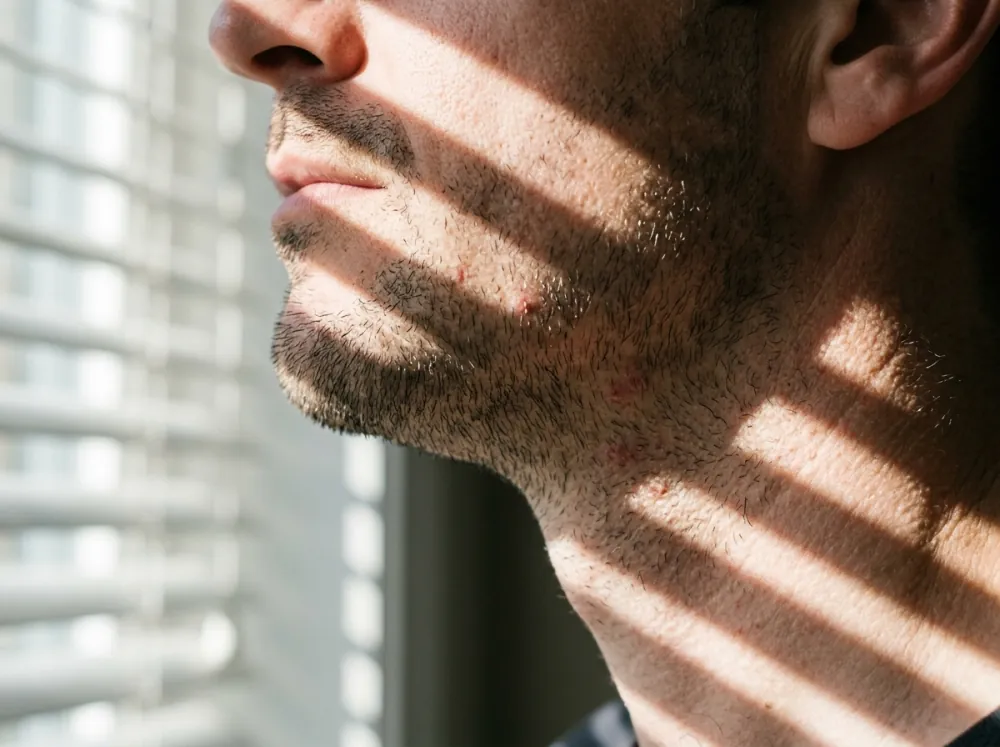
When swabs from shaving-related folliculitis are taken, DermNet's overview reports they are sterile: no bacteria or other organisms grow. The cause is irritation as hairs regrow after shaving, waxing, electrolysis or plucking. In the beard area it is called pseudofolliculitis barbae, which DermNet says affects roughly 45 to 80% of men of African ancestry, is more common with blade razors than electric shavers, and settles about 4 to 6 weeks after the hair removal technique stops. If an infection is added, it is called folliculitis barbae, and the two can coexist. Our article on strawberry skin covers ingrown hairs and post-shaving bumps on the body.
Hot tub
Spa pool folliculitis is caused by Pseudomonas aeruginosa, a bacterium that survives in warm water even when chlorinated, because of biofilm on tub surfaces or pipes. DermNet describes onset from 8 hours to five days after exposure, spots concentrated where swimwear covered the skin, itch, pain or burning, and sometimes malaise, headache or low fever. It usually settles by itself, within about 10 days on one DermNet page and 14 days on another, and recurs if the source is not dealt with.
On the Scalp
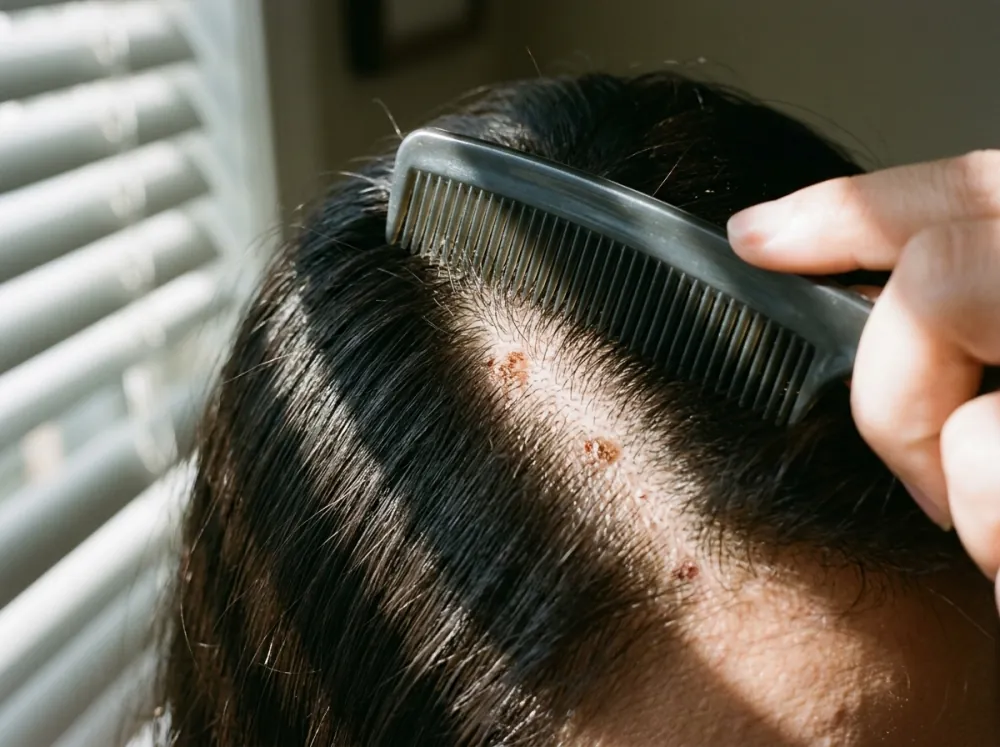
Small pimples on the scalp can be scalp folliculitis, a different picture again. DermNet describes small, very itchy pustules on the scalp, often worst along the frontal hairline, that are hard to leave alone and often become sore and crusted. Its cause is described as not well understood, and thought to be an inflammatory reaction to follicle micro-organisms: Cutibacterium acnes, sometimes Staphylococcus aureus, Malassezia yeasts and Demodex mites.
DermNet lists a milder-to-severe range. The severe forms, acne necrotica (blackened crusts and pox-like scars) and perifolliculitis capitis abscedens et suffodiens (nodules, cysts and permanent patches of hair loss), scar, and are matters for a clinician. The same page says a mild shampoo can be used as often as desired and that antidandruff shampoos with an antifungal such as ketoconazole or ciclopirox are "sometimes helpful".
The Figure Audited: "Folliculitis Is Just Body Acne"
Verdict: acne is a kind of folliculitis, but folliculitis is not just acne. Findings:
- DermNet lists acne among folliculitis variants, alongside infectious, irritant, contact, drug-related and inflammatory causes, so the family is wider than acne.
- A yeast kind mimics acne and fails acne treatment. Malassezia folliculitis is monomorphic, itchy and has no comedones. In a case series of 26 patients, 65% had been treated for acne first, and in a study of 110 patients, 75% had.
- Antibiotics may worsen it. The review says inappropriate or prolonged antibiotic use may promote yeast overgrowth, and that systemic antibiotics are almost always ineffective for this kind.
- Some kinds are sterile. Shaving-related folliculitis grows nothing on swabs, so it is not an infection at all.
- Setting matters more than looks. Hot tub folliculitis follows warm water, and shaving-related folliculitis follows hair removal.
The claim fails in the direction people mean it: reading every follicular bump as body acne is the route the 65 to 75% took.
What Over-the-Counter Washes Have Evidence For
For folliculitis treatment bought over the counter, the evidence is little, and it differs by kind.
Bacterial folliculitis
A Cochrane review of interventions for bacterial folliculitis and boils pooled 18 randomised trials with 1,300 participants. It found no randomised trials comparing topical antibiotics with topical antiseptics, topical with systemic antibiotics, or phototherapy with sham light, and the comparisons it did find, between oral antibiotics, showed no important differences. The review notes that some folliculitis may resolve spontaneously and some progresses to boils. DermNet lists antiseptic cleansers such as hydrogen peroxide, chlorhexidine and triclosan among treatments, without a trial behind that line in the sources opened. For the antiseptic wash, the Cochrane finding is an absence of comparative evidence, not a negative result.
Yeast folliculitis
Here there is more, though of modest quality. In an open-label study of 51 patients with microscopy-confirmed Malassezia folliculitis, a 2% selenium disulfide shampoo used once weekly gave clinical recovery in 80% of 25 patients at four weeks, and 88% at eight, with no p-values reported and relapse after stopping. The expert group cited in the review recommends topical antifungals (azoles, ciclopirox, zinc, selenium disulfide) as first-line for people with normal immunity, with the same agents used less often to prevent recurrence. Diagnosis in these studies was confirmed by microscopy, which a wash bought for a presumed diagnosis does not provide. Strengths and over-the-counter availability differ between countries, and the label governs.
Shaving-related and hot tub
No wash is the intervention for these in the sources opened. DermNet's advice for shaving-related folliculitis is about hair removal technique, and for hot tub folliculitis about avoiding or disinfecting the source.
When It Needs a Clinician
Several features in the sources move folliculitis out of the "mild kind":
- A deep, painful, hot, firm nodule. A boil, with scarring on recovery.
- Spreading redness, fever or feeling unwell. Bacterial folliculitis can lead to cellulitis and lymphangitis.
- It keeps coming back after clearing. Recurrence is common in Malassezia folliculitis, and DermNet notes a staph carrier state in repeated bacterial cases.
- It is not responding to what has been tried, particularly if it was treated as acne.
- Scarring or hair loss. Scalp forms that scar need diagnosis, and DermNet says a biopsy is often necessary for scarring causes.
- Lowered immunity, diabetes, or a new medicine. DermNet lists these as predisposing factors or causes.
- Darker skin tones. Spa pool folliculitis redness can be hard to see, and postinflammatory hyperpigmentation is common.
Conclusion
Folliculitis treatment depends on the kind, and the setting tells the kinds apart better than the look: friction or occlusion for bacterial, heat and sweat for yeast, hair removal for the shaving kind, and warm water for hot tub. Acne is one member of the family, and the claim that folliculitis is just body acne sends many people down the wrong treatment for months. For washes, the Cochrane review found no comparative trials for bacterial folliculitis, and the best evidence is for antifungal washes in the yeast kind, from small open-label studies.
If a spot comes and goes, photographing the area in the same place and light each time, in an album or in an app like Skinic, gives a clinician a record of how it behaves. For deep, spreading, scarring or recurring lesions, ask your own clinician.
Frequently asked questions
5 questions · tap one to open the answer
What are the different types of folliculitis?
Is folliculitis the same as acne?
How long does folliculitis last?
Do over-the-counter washes treat folliculitis?
When should folliculitis be seen by a doctor?
Medically reviewed by
Dr. M.M Hanaei
Aesthetic Physician, Dermatology Fellowship
- MD — Shahid Beheshti University of Medical Sciences (SBMU)
- MCC Licensure (Medical Council of Canada)
- Dermatology Fellowship, Switzerland
- Certified in advanced aesthetic procedures
Last reviewed 14 October 2026