Skinic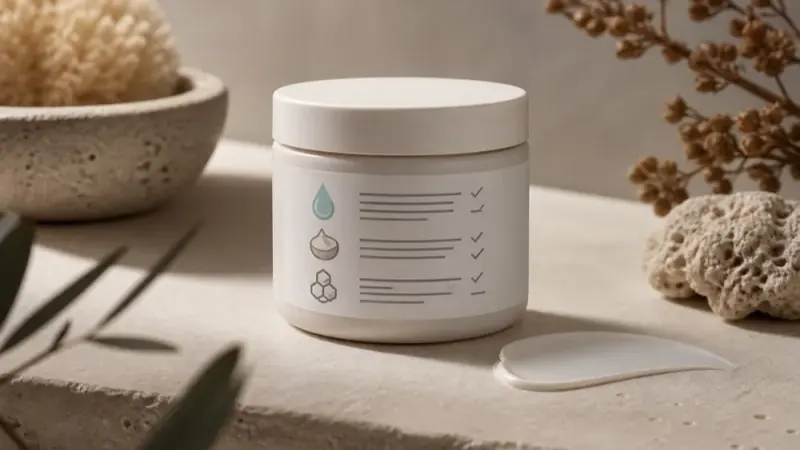
You've probably stood in the skincare aisle, stared at a wall of options, and grabbed whatever had the most appealing packaging or the biggest "hydration" claim on the front. Most of us have. But here's the thing: that approach to finding a moisturizer for dry skin almost always leads to frustration, wasted money, and skin that still feels tight and uncomfortable.
The real answers aren't on the front of the bottle. They're on the back, buried in the ingredient list. And before the label, it's worth knowing what dry skin is actually short of — lipids and water fail independently, and the fix for one can worsen the other.
Once you understand just three ingredient categories, humectants, emollients, and occlusives, you'll have a framework for reading any moisturiser label at any pharmacy or supermarket. No more guessing. No more paying a premium for a brand name when a cheaper product with the right ingredients would do the job just as well.
In this post, you'll learn exactly what those three ingredient classes do, how to match them to your specific skin issue, and how to confidently read a label before you buy. By the end, every moisturiser purchase you make will be a much smarter one.
Why Searching for the "Best" Moisturizer for Dry Skin Leads You Astray
If you search "best moisturiser for dry skin," you're already asking the wrong question, and it's costing you money.
Dry skin is not a single condition. It can mean your skin lacks water (dehydration), lacks oils and fats (lipid depletion), or loses moisture too quickly through the skin's surface, a process called transepidermal water loss (TEWL). Each of these needs a different fix. A product that works brilliantly for one will do almost nothing for another.
Premium pricing doesn't change this equation. Dermatological guidance consistently identifies individual ingredient matching, not brand prestige, as the actual driver of whether a moisturiser works for you. DermNet points to sorbolene with glycerine, a product available in bulk at most pharmacies, as a cost-effective alternative when the ingredient class matches the user's barrier needs. The price gap reflects packaging, fragrance, and marketing budgets, not superior ingredients.
The more useful question is: which ingredient class is your barrier currently missing, and does it appear near the top of the label?
Learning to answer that question is a one-time skill. Once you have it, every future moisturiser purchase gets faster, cheaper, and more likely to actually work.
The Three Ingredient Classes Every Moisturizer Label Contains
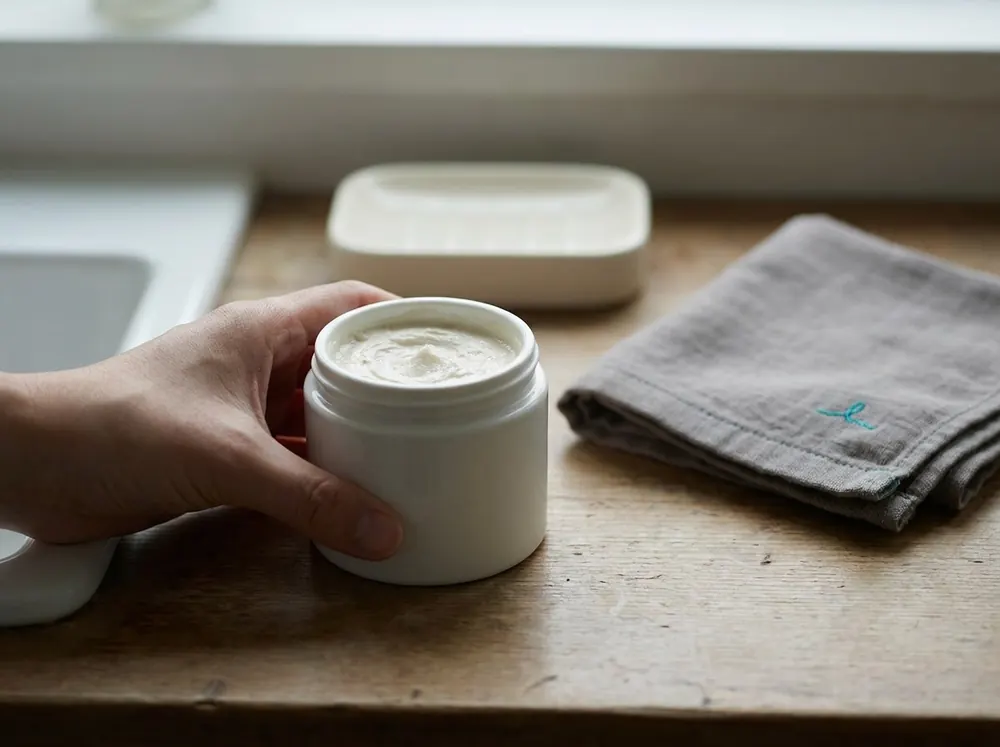
Every moisturiser label, regardless of brand or price, draws from the same three functional ingredient classes. Once you can spot them, you can evaluate any product in under a minute.
Humectants draw water into the skin, either from the air or from deeper skin layers. On the label, look for glycerin (sometimes listed as glycerol), hyaluronic acid, urea, and aloe vera. These are your first port of call when skin feels tight and dehydrated.
Emollients fill the gaps between skin cells, smoothing rough texture and restoring a softer surface. Common examples include ceramides, squalane, niacinamide, linoleic acid, and plant oils like rosehip or jojoba. If your skin feels rough or flaky rather than just tight, emollients are the class to prioritise.
Occlusives form a physical seal on the skin's surface to slow water loss. Petrolatum (petroleum jelly), shea butter, beeswax, lanolin, and dimethicone all work this way. They matter most when your barrier is so compromised that moisture seems to evaporate almost immediately after application.
Most effective moisturisers for dry skin combine at least two of these classes, often all three. The logic is straightforward: attract water, fill lipid gaps, then seal it in. A product that only does one of these jobs leaves the other two steps undone.
That sequence is also the framework for everything that follows in this guide.
Humectants: When Your Skin Is Thirsty, Not Just Dry
Humectants handle the water side of the equation. Before reaching for one, understand a distinction most labels obscure: dehydrated skin (low water content) and dry skin (low oil content) are different problems that often appear together. Humectants fix the first. Signs of dehydration specifically: skin feels tight, looks dull, and fine lines temporarily improve after drinking a glass of water.
Glycerin is the standout humectant. It's the most clinically studied option available, and research confirms its moisture-retention efficacy across concentrations. It appears in budget and premium products alike, so finding it near the top of an ingredient list confirms real humectant function regardless of price.
Hyaluronic acid gets heavy attention in facial moisturisers but has a catch. It works best in humid conditions or under an occlusive layer. In very dry or air-conditioned environments, applying hyaluronic acid without a sealing occlusive layer may limit how well it retains moisture at the surface, which is why layering matters.
Urea is another humectant commonly found in pharmacy-brand dry-skin creams; at moderate concentrations it is associated with softer, smoother skin, making it worth looking for on the label.
One important limitation: a moisturiser built almost entirely on humectants but missing any emollient or occlusive will feel hydrating for a few hours, then leave skin tight again as the attracted water evaporates off the surface unsealed.
Emollients: The Ingredient Class That Actually Repairs Skin Texture
Where humectants attract water, emollients do the structural repair work. They fill the microscopic gaps between skin cells in the stratum corneum, which is why a ceramide-rich cream moisturiser leaves skin feeling genuinely soft rather than just temporarily plumped. That's a meaningful distinction.
Ceramides are the standout emollient class. They're the most abundant structural lipid in the stratum corneum, forming the lamellar layers that hold the barrier together. Because they mirror lipids naturally found in healthy skin, ceramide-based formulations work at a structural level, not just a surface one. When ceramide levels fall due to ageing, sun damage, or genetics, the barrier becomes leaky: water escapes, irritants get in, and skin feels chronically dry and reactive regardless of how much moisturiser you apply.
Squalane is an emollient that mimics the skin's own lipids and typically absorbs without a heavy finish.
For rough, flaky, or visibly compromised skin, look for ceramides, fatty acids, or squalane in the first half of the ingredient list. Placement there signals meaningful concentration, not just a trace amount added for marketing.
Emollient-heavy formulas feel noticeably richer than humectant-only products, which is why they typically come as creams or ointments rather than gels or light lotions. That texture isn't a flaw; it's the ingredient load doing its job.
Occlusives: The Sealing Step Most People Skip
The sealing step is the one most people skip, and for severely dry or barrier-compromised skin, it is also the most consequential.
This is a costly mistake where transepidermal water loss (TEWL) is the core problem. No amount of humectant or emollient helps if the water evaporates straight back out.
Petrolatum (petroleum jelly, sold as Vaseline at most pharmacies) is the gold standard. Research shows it reduces TEWL by around 98%, compared to 20-30% for most other oil-based options. It is also one of the cheapest skincare ingredients you can buy, which confirms that price tells you nothing about efficacy.
Dimethicone is the practical daytime alternative. This silicone-based occlusive provides meaningful barrier sealing without the greasy finish of petrolatum, which is why it appears regularly in lighter-textured facial moisturisers for dry skin.
Shea butter and beeswax are frequently listed in cream moisturisers marketed as nourishing or repairing; they serve both emollient and occlusive roles, which accounts for their popularity in richer formulations.
The "slugging" trend on social media is simply applying a thin layer of petrolatum as the final step of a nighttime routine. It has genuine clinical backing as a TEWL-reduction strategy, and it's particularly relevant for very dry or eczema-prone skin dealing with air conditioning or low-humidity conditions. Keep it off the eyelids, though: heavily occlusive products around the eyes are associated with milia, the sealed keratin cysts that no acne product can reach.
How to Match the Ingredient Class to Your Specific Barrier Problem
Knowing which class to prioritise comes down to recognising your barrier problem first.
Tight, dull skin that feels temporarily better after a hydrating mist or serum is signalling a water deficit. Look for glycerin or hyaluronic acid near the top of the label on a light lotion.
Rough, dull skin with persistent flakiness that water intake does not fix points to lipid depletion. The barrier has lost its fatty scaffolding. A ceramide-rich cream moisturiser for dry skin is the priority here, with an occlusive layered on top to lock the repair in.
Skin that absorbs moisturiser and quickly returns to feeling dry and tight is losing moisture faster than it retains it, a sign of high TEWL. Apply an occlusive-heavy or multi-class formulation while skin is still slightly damp from washing to give it the best chance of sealing.
Combination profiles are common, particularly through winter or in air-conditioned offices. Dehydration and lipid depletion can occur at the same time. A great moisturiser for dry skin in this scenario lists representatives from all three classes in its first half of ingredients.
If you are unsure which profile describes your skin, a structured skin analysis is a practical first step before spending anything new.
How to Read a Moisturiser Label at the Pharmacy or Supermarket
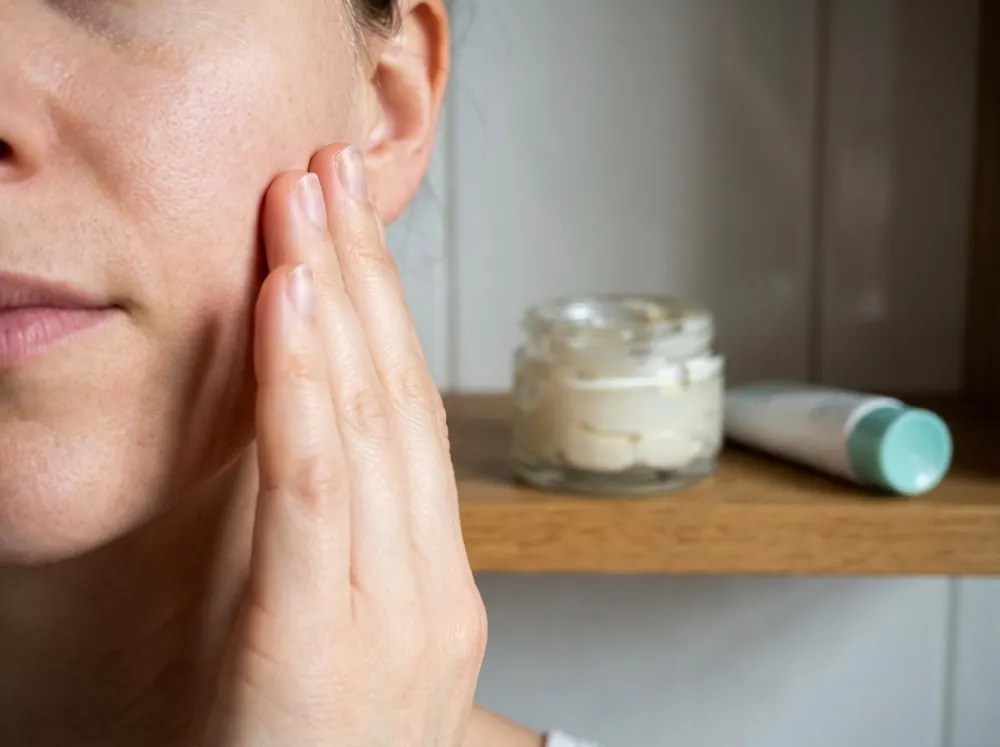
Once you know your barrier profile, the next step is confirming a product actually delivers what your skin needs. That means reading the label, and it is simpler than it sounds.
Cosmetic products are required to list ingredients, and industry practice follows international INCI (International Nomenclature of Cosmetic Ingredients) naming conventions with ingredients listed in descending order of concentration. As a practical guide, the ingredients appearing before preservatives and fragrance, typically the first several on the list, are present in the highest amounts and are where meaningful actives will sit.
A practical method: scan those first several ingredients and look for at least one from each class.
- Humectant: glycerin, hyaluronic acid, urea
- Emollient: ceramide, squalane, fatty acid
- Occlusive: petrolatum, dimethicone, shea butter
A moisturiser hitting all three in the top ingredients is a strong candidate for dry skin.
Sorbolene cream with glycerine is a useful benchmark. It contains glycerin (humectant) and white soft paraffin or liquid paraffin (occlusive), available in large containers at major pharmacies for a modest price. A prestige moisturiser may contain functionally identical ingredient classes at comparable concentrations; the price gap typically reflects fragrance, packaging, and retail margin, not superior barrier performance.
Finally, scan for parfum, fragrance, or named essential oils. These are common irritants that can worsen barrier dysfunction, so fragrance-free is often the better call for dry or sensitive skin.
Formats Matter Too: Oils, Lotions, Creams, Gels, and Ointments Explained
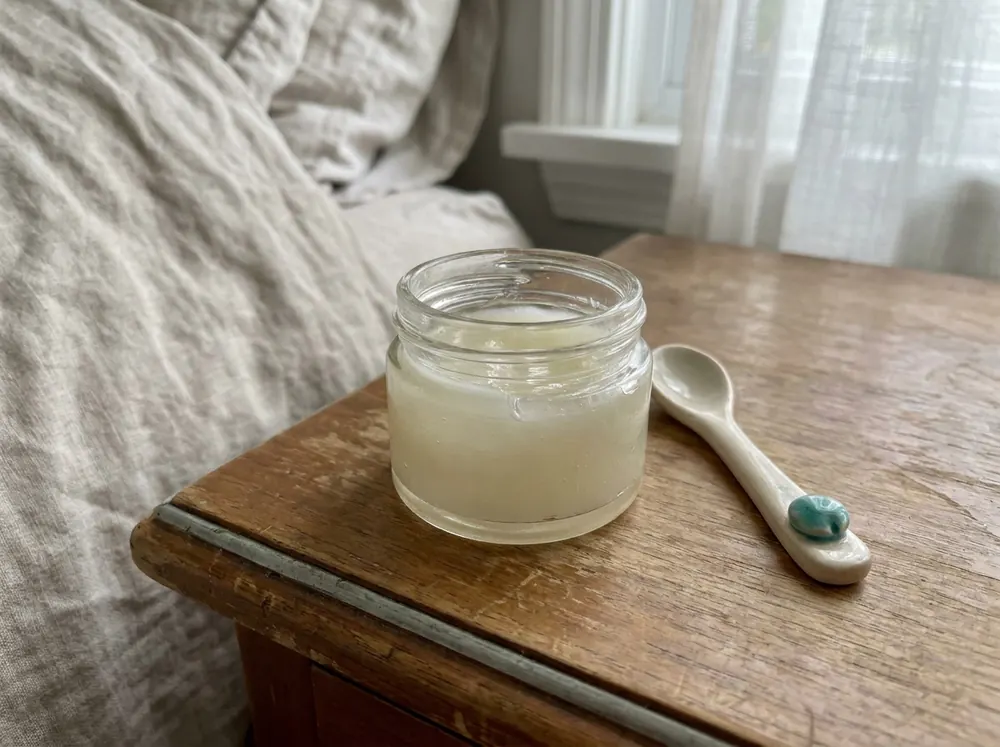
The format of a moisturiser tells you a lot about its ingredient balance before you even read the label.
Ointments sit at one extreme: very high occlusive content, minimal water. They are the most effective format for severely dry or barrier-compromised skin, but greasiness means they're best used at night or on specific dry patches.
Cream moisturisers for dry skin are the everyday standard. They blend humectants, emollients, and occlusives in an emulsion (water-in-oil for richer textures, oil-in-water for lighter ones), making them versatile for face and body. If you're unsure where to start, a cream is the sensible default.
Lotions contain more water and spread easily, but lower oil concentration limits their effectiveness for moderate to severe dryness. In humid coastal climates a lotion may suffice for mild dryness; in dry inland or air-conditioned environments, they often fall short.
Gels absorb quickly and leave no residue, making them popular for oily or combination skin. Because they are lighter and water-forward, they tend to address surface hydration rather than deep lipid replenishment; if your dryness involves barrier or lipid depletion rather than dehydration alone, a gel is unlikely to be enough on its own.
Oils function primarily as emollients and can be layered under an occlusive to help seal the barrier. They fill lipid gaps but do not attract water, so applying an oil without a humectant underneath only partially addresses the problem.
Ingredient Literacy Works Best When You Know Your Own Skin
Knowing which format suits your skin gets you closer to the right product, but one variable remains: which barrier problem does your skin actually have?
Label-reading is powerful, but its precision depends on knowing your starting point. Without a clear barrier profile, choosing the right ingredient class is still educated guesswork.
That's where how Skinic works becomes relevant. The app analyses visible skin attributes from a guided selfie and produces a personalised skin profile covering dryness, texture, and barrier-related concerns. Instead of inferring your barrier type from symptoms, you get a concrete starting point for deciding which ingredient class your skin currently needs most.
The two things work together directly. Your Skinic profile tells you what your barrier needs; label-reading tells you whether a product actually delivers it. That combination creates a repeatable decision framework you can apply to every future purchase.
Skinic also supports progress tracking over time. Rather than relying on how your skin feels after a week, you can monitor whether dryness indicators are measurably shifting. Feel is useful but inconsistent; tracked changes are more reliable evidence that a product is working.
For anyone already spending on moisturisers, the practical value is straightforward: before replacing a product that isn't performing, our model's validation approach shows how the app checks whether your current routine is matched to your identified skin needs. Skinic is a skin analysis and education tool, not a medical diagnostic service, as outlined in the terms of use.
The Smarter Way to Choose a Moisturiser for Dry Skin
Put it all together and the framework is straightforward:
- Identify your barrier problem first. Tightness signals dehydration; roughness and flaking signal lipid depletion; moisturiser that disappears quickly signals high TEWL, each needs a different ingredient priority.
- Read the first several ingredients. Look for at least one humectant, one emollient, and one occlusive. A product hitting all three classes is a strong candidate regardless of brand.
- Ingredient quality and class match matter more than price. See the label-reading section above for the sorbolene benchmark. A well-formulated sorbolene can outperform a premium moisturiser that lacks the right classes for your barrier.
- Match the format to your situation. Ointments suit severe dryness or cold, dry climates; creams suit most people most of the time; lotions are adequate for mild dryness in humid conditions. Packaging aesthetics are not a factor.
- Use a skin analysis tool like Skinic to sharpen your decisions. Ingredient literacy applied to a known skin profile is precise. Applied without one, it is educated guesswork. Tracking results over time confirms whether a product is actually working, so you stop relying on feel alone.
Conclusion
Choosing the best moisturizer for dry skin does not require expensive products or guesswork. It requires reading labels with intention. The framework is simple: match your barrier problem to the right ingredient class, read the first several ingredients on the label, and choose a format suited to your climate and severity.
Ingredient literacy is a genuine skill, and it compounds over time. The more you understand what each class does, the faster you can assess any product on any shelf.
Start by analyzing your skin with Skinic, then take that knowledge into your next pharmacy visit. You will read that label differently. You will choose more confidently. And your skin will show the difference within weeks.
Frequently asked questions
5 questions · tap one to open the answer
What are the three ingredient classes to look for in a moisturizer for dry skin?
Why does my moisturizer stop working after a few hours?
Is an expensive moisturizer better than a cheap one for dry skin?
What ingredient reduces water loss the most in a moisturizer?
How do I know if my dry skin is dehydration or lipid depletion?
Medically reviewed by
Dr. M.M Hanaei
Aesthetic Physician, Dermatology Fellowship
- MD — Shahid Beheshti University of Medical Sciences (SBMU)
- MCC Licensure (Medical Council of Canada)
- Dermatology Fellowship, Switzerland
- Certified in advanced aesthetic procedures
Last reviewed 6 September 2026